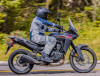
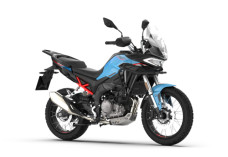
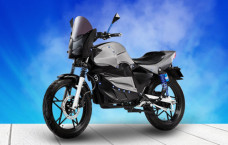
Honda 2024 XL750 Transalp vs MV Agusta Brutale 800 RR SCS

Compare Specifications of Honda 2024 XL750 Transalp and MV Agusta Brutale 800 RR SCS

Selected Bikes

Honda 2024 XL750 Transalp

Brand:

Model:

MV Agusta Brutale 800 RR SCS

Brand:

Model:

Brand:

Model:

Brand:

Model:

Technical Specifications
Fuel Petrol Petrol
Engine Displacement 755.00 cc 798.00 cc
Engine liquid-cooled 24.5 parallel-twin four-stroke  Three cylinder, 4 stroke, 12 valve, “D.O.H.C” with mechanical chain tensioner
Engine Starting -- Electric
Clutch -- S.C.S. 2.0 (Smart Clutch System) Radius CX automatic clutch with hydraulic clutch actuation, wet multi-disc
Fuel System Programmed Fuel injection (PGM-FI); 46mm throttle body  --
Ignition -- Integrated ignition - injection system MVICS 2.0 (Motor & Vehicle Integrated Control System) with six injectors.
Cooling System -- Cooling with separeted liquid and oil radiators
Maximum Power 90 PS @ 9500 rpm 140 PS @ 12.300 RPM
Maximum Torque -- 87 NM @ 10.100 RPM
Transmission Six-speed  Cassette style; six speed, constant mesh
Gear Shift Pattern -- 1-N-2-3-4--5-6
Drivetrain Unicam SOHC; four valves per cylinder  --
Top Speed 180 kmph --
Battery -- 12 V - 8.5 Ah
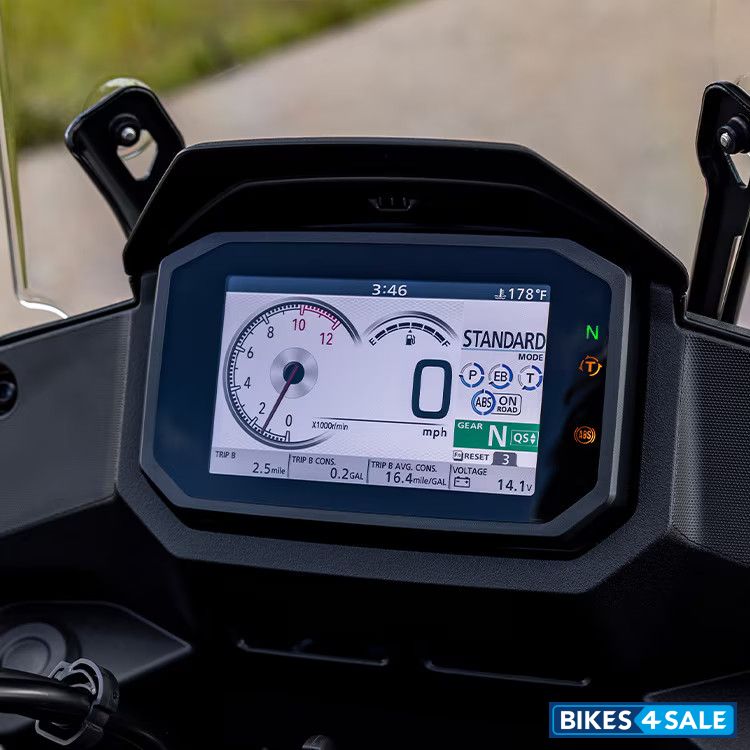
Display 5.0-inch full-color LDC multi-informational dash display --
Frame Diamond Steel Truss Frame ALS Steel tubular trellis
Tyres
Front 90/90-21  120/70 - ZR 17 M/C (58 W)
Rear 150/70-18  180/55 - ZR 17 M/C (73 W
Wheel / RIM -- Front: Material/size Aluminium alloy 3.50 ” x 17 ”
Rear: Material/size Aluminium alloy 5.50 ” x 17 ”
Brakes
Front Dual 310mm discs; 2-channel ABS  Double floating disc with Ø 320 mm (Ø 12.6 in.) diameter, with steel braking disc and flange
Rear Single 256mm disc; 2-channel ABS  Single steel disc with Ø 220 mm (Ø 8.66 in.) dia.
ABS -- Bosch 9 Plus with RLM (Rear wheel Lift-up Mitigation)
Suspension
Front 43mm Showa SFF-CA inverted telescopic fork; 7.9-inch travel  Marzocchi “UPSIDE DOWN” aluminium telescopic hydraulic fork with DLC treatment , with anodized fork legs and having rebound-compression damping and spring preload external and separate adjustment
Rear Pro-Link single Showa shock; 7.5-inch travel Progressive Sachs, single shock absorber with rebound and compression damping and spring preload adjustment
Colors Available
Colors Matte Black Metallic  SHOCK PEARL RED / AVIO GREY
AVIO SILVER / DARK METALLIC GREY


Physical Specs
Length -- 2045 mm
Width -- 875 mm
Kerb Weight 208 175
Seat Height 856 830
Wheelbase 1562 mm 1400 mm
Ground Clearance 210 mm 135 mm
Fuel Tank Capacity 17 litres 16.5 litres
Overview
About The 2024 Honda XL750 Transalp impresses with its advanced tech, powerful 755cc engine, and agil Read More --
Features TECHNOLOGY
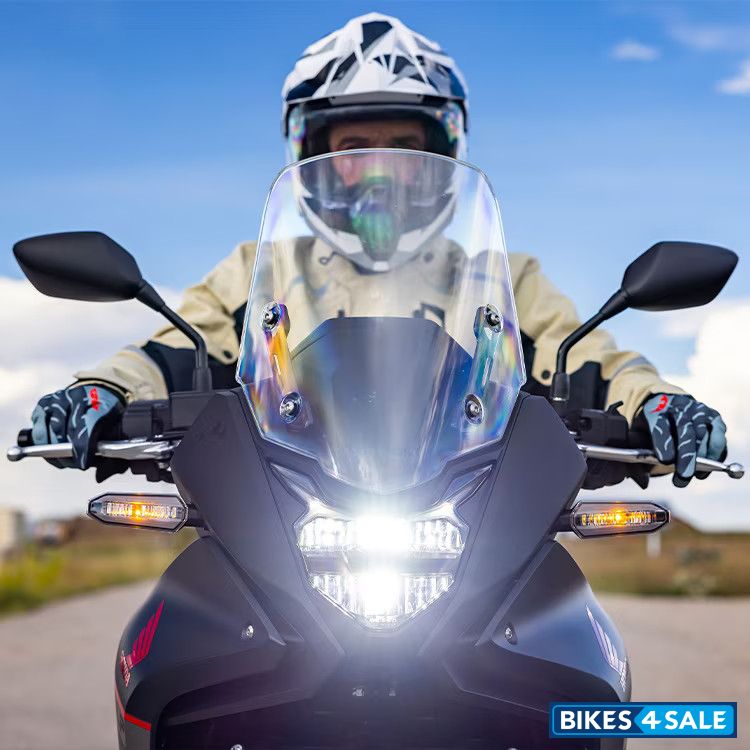
- Five separate riding modes: Sport, Standard, Rain, Gravel, and an additional rider-customizable setting. 
- Honda Selectable Torque Control (HSTC)
- Throttle-by-wire (TBW) technology

Honda 2024 Xl750 Transalp Technology

PERFORMANCE
- Unicam Engine Design
- Parallel Twin Engine Layout
- Vortex Airflow Ducting
- Quick Shifter

Honda 2024 Xl750 Transalp Display

Handling
- Spoked Wheels
- Long Travel Front Suspension
- Slipper Assist Clutch
- 42 Degree Steering Lock

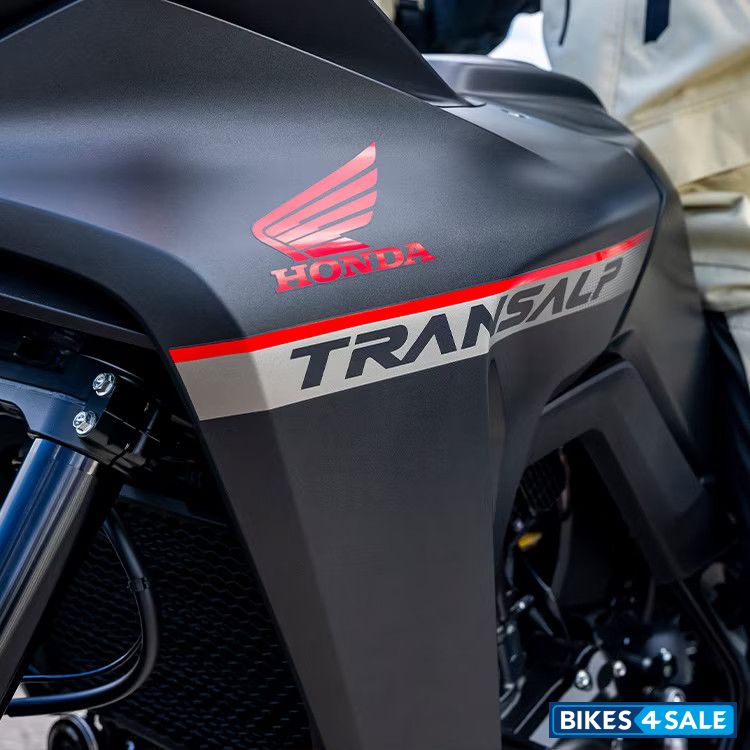
Honda 2024 Xl750 Transalp Comfort

Comfort And Convenience
- Extra Comfortable Seat
- Optional Low Seat
- Standard Rear Carrier
- USB-C Port
- Self Cancelling Turn Signals
- Smart Clutch System
Additional Details -- Engine management system : Engine control unit Eldor EM2.0, throttle body full ride by wire Mikuni, pencil-coil with ion-sensing technology, control of detonation and misfire. Torque control with four maps, Traction Control with eight levels of intervention with lean angle sensor.
Electronic quick-shift : MV EAS 2.1 (Electronically Assisted Shift up & down
Primary drive 22/41
Gear ratio : First gear: 13/37
Second gear: 16/34
Third gear: 18/32
Fourth gear: 19/30
Fifth gear: 21/30
Sixth gear: 22/29
Final drive ratio : 16/41
Trail : 103.5 mm
Front Fork : 43 mm (1.69 in.)
Fork travel : 125 mm (4.92 in.)
Rear Wheel travel : 124 mm (4.88 in.)
Parking brake : Integrated in the rear hydraulic brake system
Environmental Standard : Euro 4
Combined fuel consumption : 6.7 l/100 km
CO2 Emissions : 163 g/km

Which one do you think is better? And why?
Name :

Comment :

4439