Your Comprehensive Guide to Finding the Perfect First Bike—from Cruisers to Adventure Tourers
The journey into motorcycling is a thrilling one, but it begins with a critical choice: the first bike. The truth is, there is no single "best beginner motorcycle" for everyone. The ideal choice depends on individual factors such as a rider's stature, personal taste, riding style, and local environment, as a bike for navigating city streets differs from one for long-distance travel. A well-considered first motorcycle is a tool for building confidence and developing fundamental skills. The following criteria provide a foundational checklist for any new rider, ensuring the chosen bike is a partner in their learning process rather than a source of intimidation.
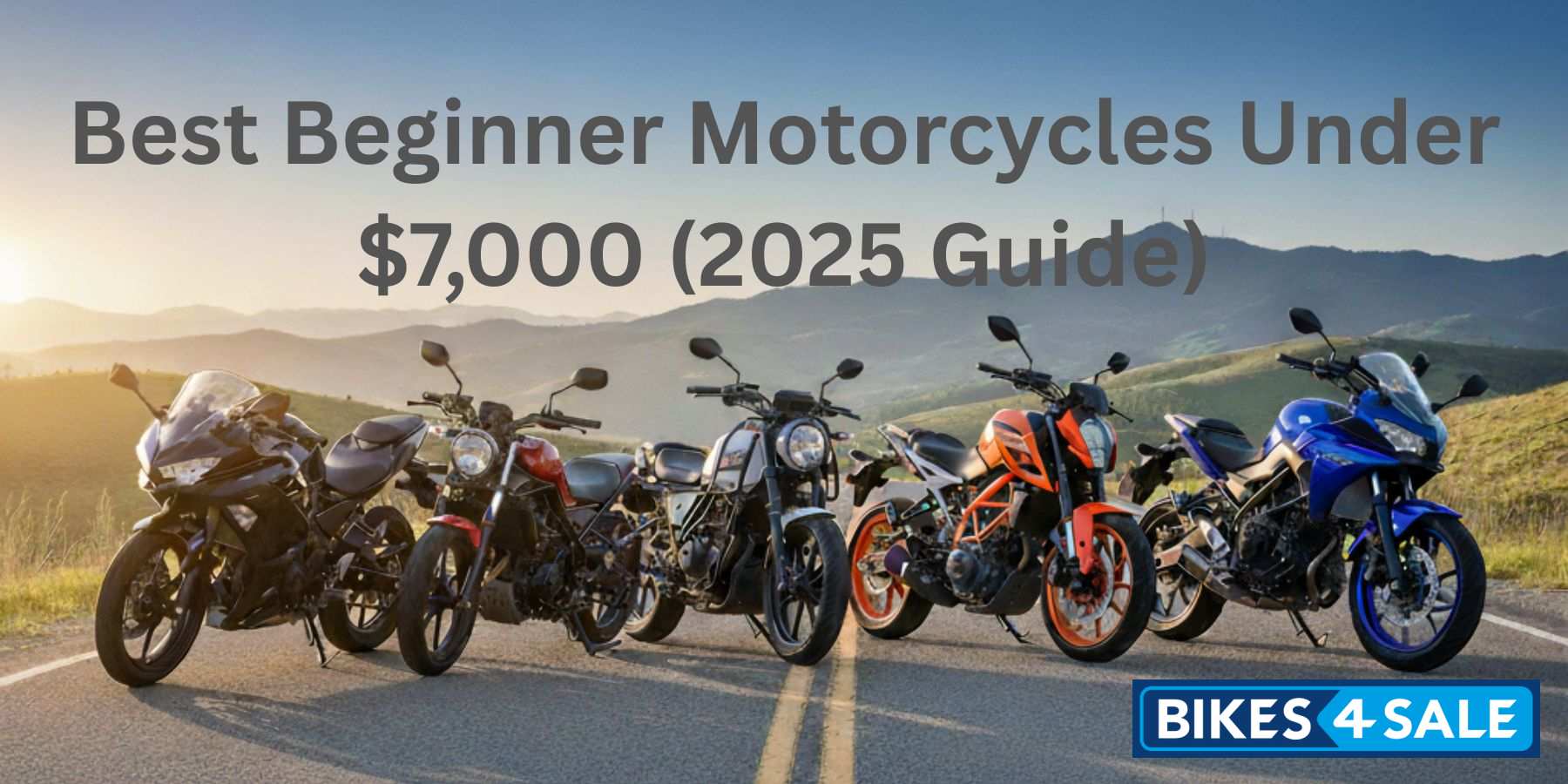
An optimal starter bike is defined by a combination of characteristics that prioritize safety, handling, and rider comfort. This guide will evaluate all recommendations based on these four core criteria.
• Engine Size & Power: A common recommendation for new riders is to select a motorcycle with an engine displacement of 600cc or less. Engines in this range are designed to deliver power in a smooth, manageable way, preventing a new rider from being overwhelmed by an abrupt surge of acceleration.
• Weight & Handling: A lighter motorcycle is easier to handle, particularly at low speeds. Bikes in the 300-400 pound range are often recommended, but a low center of gravity can make a slightly heavier bike, like the Honda Rebel 500, feel stable and manageable.
• Riding Position & Seat Height: A low seat height is often the most significant confidence-boosting feature for a new rider, as it allows them to place both feet flat on the ground when stopped. An upright posture is also recommended for better visibility and less fatigue on longer rides.
• Essential Safety Features: An Anti-lock Braking System (ABS) is a particularly useful option for beginners, as it prevents the wheels from locking and skidding during panic braking. Many recommended bikes also include a slipper clutch, which makes the clutch lever pull much lighter and reduces back-torque during downshifts.
The market for beginner motorcycles is robust and offers a diverse range of styles. The following five models have been selected for their combination of beginner-friendly features, reliable performance, and exceptional value, all within the specified budget.
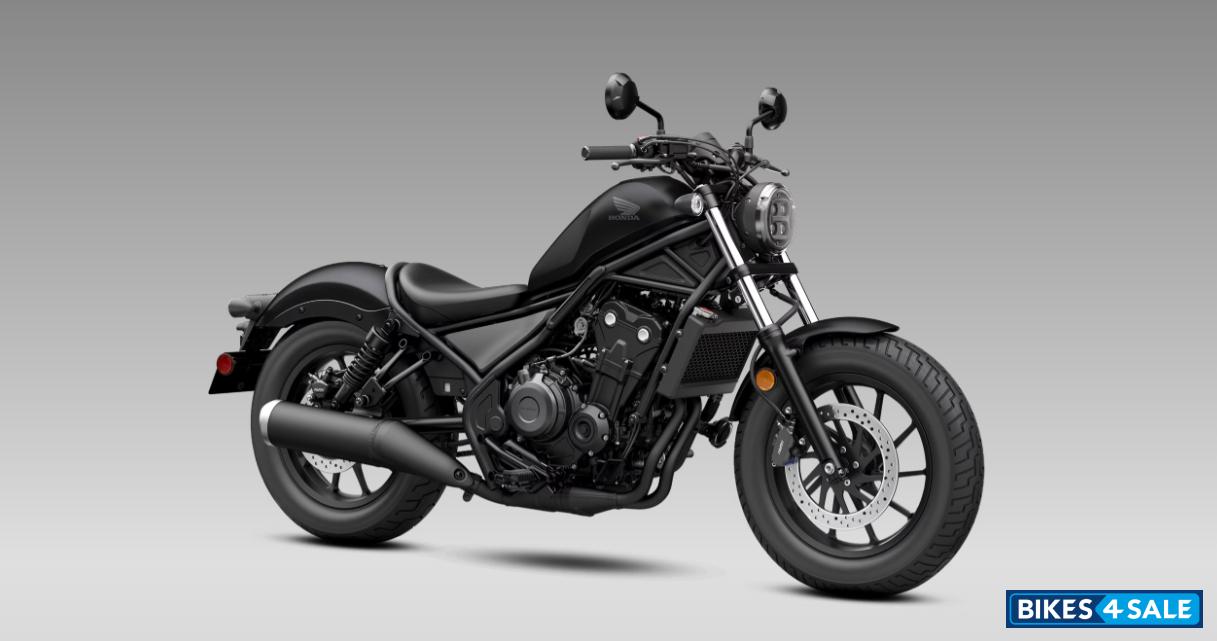
The Honda Rebel 500 is a quintessential cruiser that successfully merges classic, custom-friendly style with modern, accessible performance. It is a celebrated choice for new riders who are drawn to the relaxed riding experience of the cruiser category.
Quick Facts:
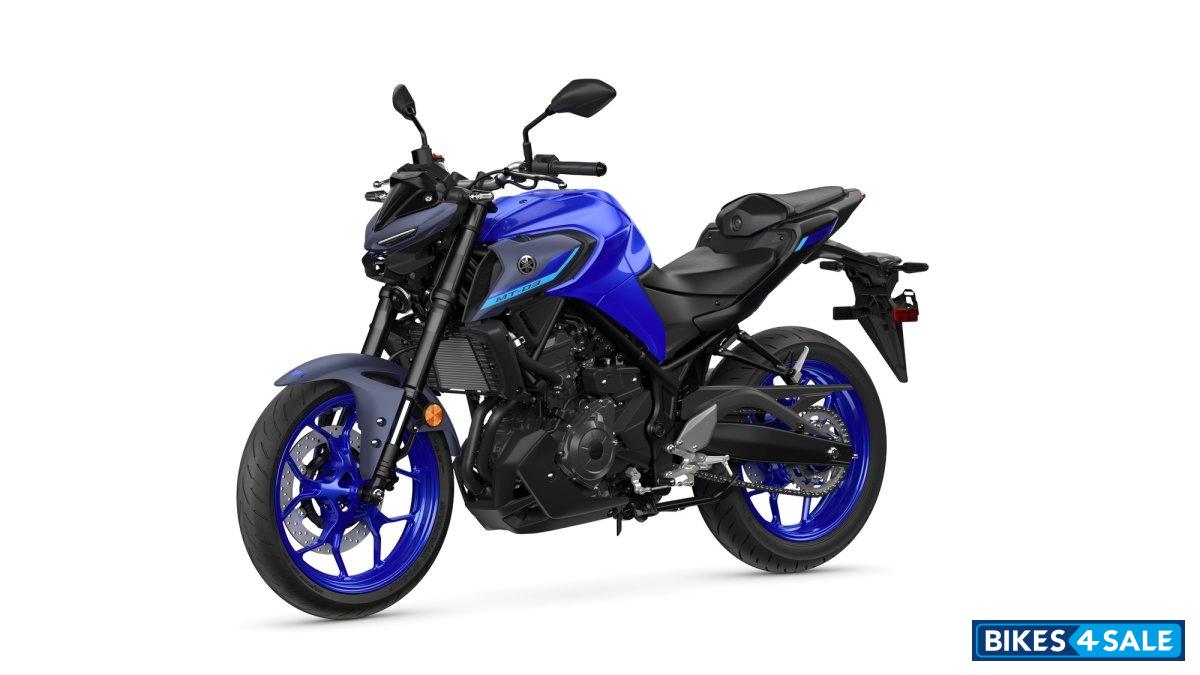
The Yamaha MT-03 is a nimble and aggressive-looking naked bike that is perfect for urban commuting and riders who prioritize agility. It offers a blend of performance and modern features in a compact, lightweight package.
Quick Facts:
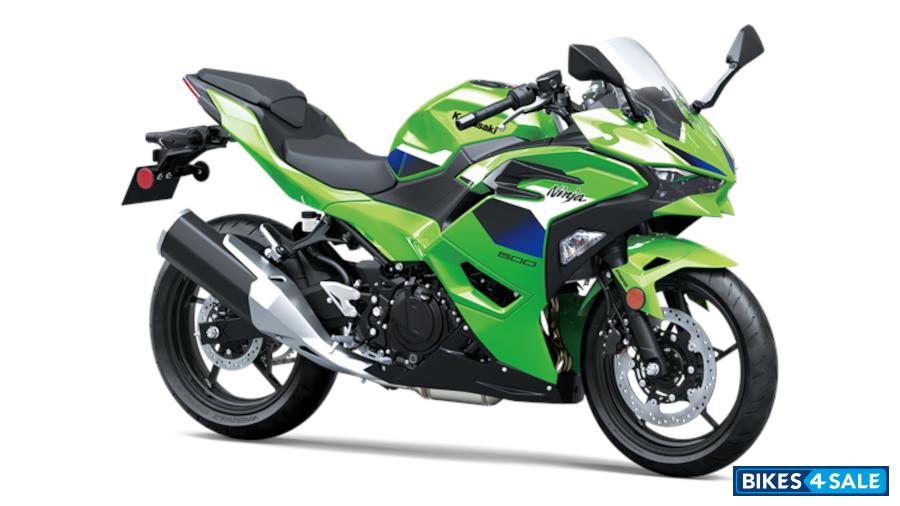
The Kawasaki Ninja 500 is the quintessential entry-level sportbike. It successfully provides the aggressive styling and thrilling feel of a sportbike while offering a manageable, forgiving power output that is perfect for beginners.
Quick Facts:
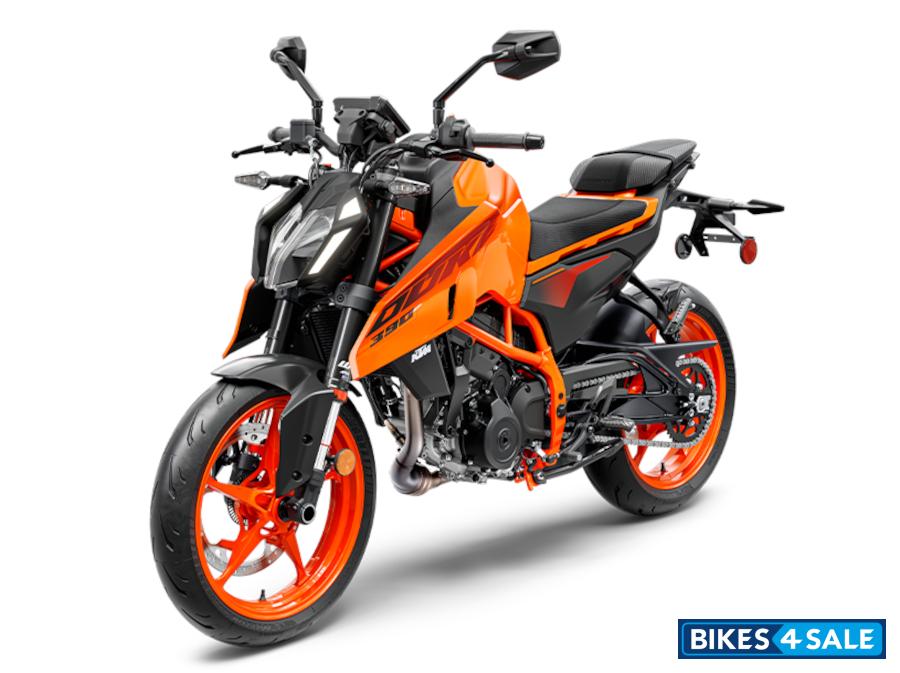
The KTM 390 Duke is a tech-rich "naked" bike that offers a thrilling, nimble ride for street enthusiasts. It is an exciting option for riders who want more aggressive performance without sacrificing control.
Quick Facts:
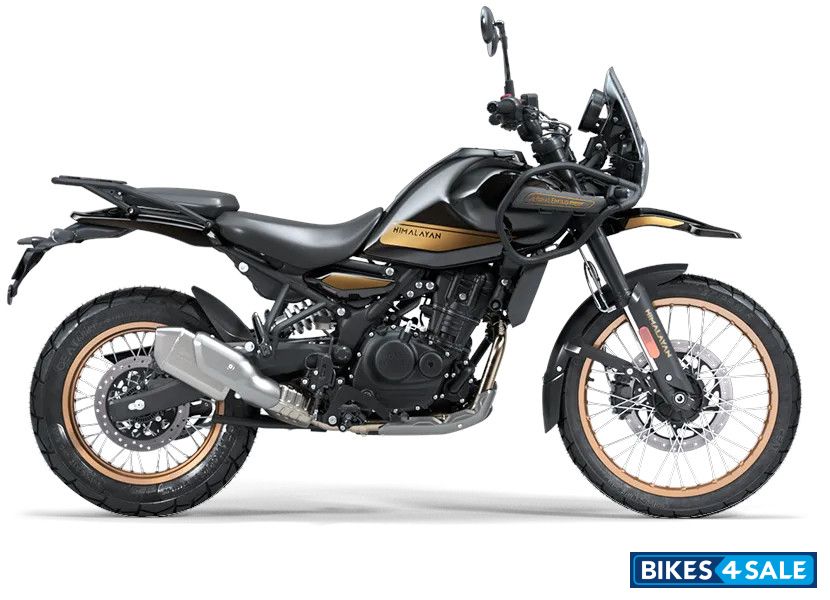
The Royal Enfield Himalayan 450 is a rugged and practical adventure bike that offers a unique blend of old-school charm and modern dependability. It is ideal for adventure seekers who want a motorcycle that can handle both paved roads and off-road trails.
Quick Facts:
The following table provides a quick, scannable overview of the top five models, allowing a rider to compare key specifications at a glance.
While the market is full of great motorcycles, some popular models were intentionally excluded from this list based on the user's specific criteria. The Ducati Monster 797 and various Harley-Davidson models, such as the Street Bob or Sportster S, are often considered for their style and heritage. However, their starting MSRPs typically fall well outside the $7,000 budget, making them unsuitable for this particular guide. Similarly, the Suzuki SV650, while a legendary "do-it-all" machine, has a starting MSRP of $7,399, placing it just outside the defined price range. This demonstrates a commitment to providing a selection that strictly adheres to the stated financial constraint.
The process of buying a motorcycle extends far beyond the initial purchase price. A comprehensive understanding of the total cost and key considerations is essential for a new rider to budget effectively and make an informed decision.
• New vs. Used: What's Right for You?
The decision between a new and a used motorcycle presents a trade-off between peace of mind and financial value. A new bike offers the benefit of knowing its complete history and comes with a factory warranty, ensuring reliability and no "mysterious past". On the other hand, a used bike often provides a better value for the money, allowing a rider to acquire a suitable model at a lower price. Furthermore, for a new rider, a used bike can reduce the stress of inevitable scratches or minor dings that can occur while learning. Regardless of the choice, it is crucial to have any used motorcycle thoroughly inspected by a professional mechanic to ensure it is in good condition and does not require additional investment beyond the purchase price.
• Total Cost of Ownership: Budgeting Beyond the Purchase Price
The motorcycle's MSRP is only the first part of the financial commitment. A new rider must budget for several other essential costs. The most crucial of these is the investment in safety gear, including a DOT-approved helmet, an abrasion-resistant jacket, gloves, and boots. These items are not accessories; they are a vital part of a rider's protection on the road. Additionally, ongoing costs such as insurance, maintenance, and regular tune-ups should be factored into the total budget.
Before a new rider hits the road, it is imperative to have a foundational understanding of motorcycle safety. The following tips are designed to help a beginner ride with confidence and prioritize their well-being at all times.
1. Take a Motorcycle Safety Course: This is the most important step a new rider can take. These courses are essential for learning basic riding techniques, traffic safety laws, and gaining the skills necessary to ride with confidence.
2. Wear Protective Gear: A helmet is the most critical piece of equipment for preventing head injuries, and it should always be worn. Additionally, protective jackets, pants, boots, and gloves made from tough, abrasion-resistant materials are crucial for safeguarding the body from injuries and the elements.
3. Conduct Pre-Ride Inspections: A pre-ride check is a simple yet vital habit. A rider should use a checklist such as the T-CLOCS method to inspect their tires, controls, lights, oil, chassis, and stands before every ride.
4. Ride Defensively: A rider should always be aware of their surroundings, anticipate the actions of others on the road, and be prepared to have an escape route. Staying visible by wearing bright or reflective gear and keeping lights on is another effective way to ride defensively.
Choosing a first motorcycle is a significant step that sets the stage for a long and enjoyable riding career. The best beginner bikes are those that combine manageable power, a comfortable fit, and essential safety features to build a new rider's skills and confidence. The Honda Rebel 500, Yamaha MT-03, Kawasaki Ninja 400, KTM 390 Duke, and Royal Enfield Himalayan all represent outstanding options within the sub-$7,000 price range for 2025. Ultimately, the decision should come down to the model that best fits the rider's body and their personal riding goals. By prioritizing the right bike, budgeting for the total cost of ownership, and committing to proper safety practices, a new rider can confidently begin their journey into the world of motorcycling.
The Beginner's Checklist: What Makes a Motorcycle "Right"?
An optimal starter bike is defined by a combination of characteristics that prioritize safety, handling, and rider comfort. This guide will evaluate all recommendations based on these four core criteria.
• Engine Size & Power: A common recommendation for new riders is to select a motorcycle with an engine displacement of 600cc or less. Engines in this range are designed to deliver power in a smooth, manageable way, preventing a new rider from being overwhelmed by an abrupt surge of acceleration.
• Weight & Handling: A lighter motorcycle is easier to handle, particularly at low speeds. Bikes in the 300-400 pound range are often recommended, but a low center of gravity can make a slightly heavier bike, like the Honda Rebel 500, feel stable and manageable.
• Riding Position & Seat Height: A low seat height is often the most significant confidence-boosting feature for a new rider, as it allows them to place both feet flat on the ground when stopped. An upright posture is also recommended for better visibility and less fatigue on longer rides.
• Essential Safety Features: An Anti-lock Braking System (ABS) is a particularly useful option for beginners, as it prevents the wheels from locking and skidding during panic braking. Many recommended bikes also include a slipper clutch, which makes the clutch lever pull much lighter and reduces back-torque during downshifts.
The Top 5 Beginner Motorcycles Under $7,000 (2025)
The market for beginner motorcycles is robust and offers a diverse range of styles. The following five models have been selected for their combination of beginner-friendly features, reliable performance, and exceptional value, all within the specified budget.
1. Honda Rebel 500
The Honda Rebel 500 is a quintessential cruiser that successfully merges classic, custom-friendly style with modern, accessible performance. It is a celebrated choice for new riders who are drawn to the relaxed riding experience of the cruiser category.
Quick Facts:
| Sl. no | Spec | Details |
|---|---|---|
| 1 | MSRP | $6,499 |
| 2 | Engine | 471cc parallel-twin |
| 3 | Wet Weight | 408 pounds |
| 4 | Seat Height | 27.2 inches |
| Spec Link | View Full Spec of Honda Rebel 500 |
2. Yamaha MT-03
The Yamaha MT-03 is a nimble and aggressive-looking naked bike that is perfect for urban commuting and riders who prioritize agility. It offers a blend of performance and modern features in a compact, lightweight package.
Quick Facts:
| Sl. no | Spec | Details |
|---|---|---|
| 1 | MSRP | $4,999 |
| 2 | Engine | 321cc responsive engine |
| 3 | Wet Weight | 373 pounds |
| 4 | Seat Height | 30.7 inches |
| Spec Link | View Full Specs of Yamaha MT-03 |
3. Kawasaki Ninja 500
The Kawasaki Ninja 500 is the quintessential entry-level sportbike. It successfully provides the aggressive styling and thrilling feel of a sportbike while offering a manageable, forgiving power output that is perfect for beginners.
Quick Facts:
| Sl. no | Spec | Details |
|---|---|---|
| 1 | MSRP | $5,399 |
| 2 | Engine | 451cc parallel-twin |
| 3 | Wet Weight | 377 pounds |
| 4 | Seat Height | 30.9 inches |
| Spec Link | View Full Specs of Kawasaki Ninja 500 |
4. KTM 390 Duke
The KTM 390 Duke is a tech-rich "naked" bike that offers a thrilling, nimble ride for street enthusiasts. It is an exciting option for riders who want more aggressive performance without sacrificing control.
Quick Facts:
| Sl. no | Spec | Details |
|---|---|---|
| 1 | MSRP | $5,899 |
| 2 | Engine | 398cc single-cylinder |
| 3 | Wet Weight | 363 pounds |
| 4 | Seat Height | 32.3 inches (adjustable) |
| Spec Link | View Full Specs KTM 390 Duke |
5. Royal Enfield Himalayan 450
The Royal Enfield Himalayan 450 is a rugged and practical adventure bike that offers a unique blend of old-school charm and modern dependability. It is ideal for adventure seekers who want a motorcycle that can handle both paved roads and off-road trails.
Quick Facts:
| Sl. no | Spec | Details |
|---|---|---|
| 1 | MSRP | $5,999 |
| 2 | Engine | 452cc single-cylinder |
| 3 | Curb Weight | 432 pounds |
| 4 | Seat Height | 31.7–32.5 inches (adjustable) |
| Spec Link | View Full Specs Royal Enfield Himalayan 450 |
Side-by-Side Comparison Table
The following table provides a quick, scannable overview of the top five models, allowing a rider to compare key specifications at a glance.
| Sl. no | Model | MSRP (2025) | Engine Size | Bike Type | Wet Weight | Seat Height | ABS | Best For |
|---|---|---|---|---|---|---|---|---|
| 1 | Honda Rebel 500 | $6,499 | 471cc | Cruiser | 408 lbs | 27.2 in | Yes | Cruiser enthusiasts, relaxed riding |
| 2 | Yamaha MT-03 | $4,999 | 321cc | Naked | 373 lbs | 30.7 in | Yes | Urban commuters, nimble riders |
| 3 | Kawasaki Ninja 500 | $5,399 | 451cc | Sportbike | 377 lbs | 30.9 in | Yes | Sporty styling, highway capability |
| 4 | KTM 390 Duke | $5,899 | 398cc | Naked | 363 lbs | 32.3 in | Yes | Tech-savvy street riders |
| 5 | Royal Enfield Himalayan 450 | $5,999 | 452cc | Adventure | 432 lbs | 31.7-32.5 in | Yes | Adventure seekers, versatile terrain |
The Exclusions: Why Some Bikes Didn't Make the Cut
While the market is full of great motorcycles, some popular models were intentionally excluded from this list based on the user's specific criteria. The Ducati Monster 797 and various Harley-Davidson models, such as the Street Bob or Sportster S, are often considered for their style and heritage. However, their starting MSRPs typically fall well outside the $7,000 budget, making them unsuitable for this particular guide. Similarly, the Suzuki SV650, while a legendary "do-it-all" machine, has a starting MSRP of $7,399, placing it just outside the defined price range. This demonstrates a commitment to providing a selection that strictly adheres to the stated financial constraint.
Beyond the Bike: Total Cost and Key Considerations
The process of buying a motorcycle extends far beyond the initial purchase price. A comprehensive understanding of the total cost and key considerations is essential for a new rider to budget effectively and make an informed decision.
• New vs. Used: What's Right for You?
The decision between a new and a used motorcycle presents a trade-off between peace of mind and financial value. A new bike offers the benefit of knowing its complete history and comes with a factory warranty, ensuring reliability and no "mysterious past". On the other hand, a used bike often provides a better value for the money, allowing a rider to acquire a suitable model at a lower price. Furthermore, for a new rider, a used bike can reduce the stress of inevitable scratches or minor dings that can occur while learning. Regardless of the choice, it is crucial to have any used motorcycle thoroughly inspected by a professional mechanic to ensure it is in good condition and does not require additional investment beyond the purchase price.
• Total Cost of Ownership: Budgeting Beyond the Purchase Price
The motorcycle's MSRP is only the first part of the financial commitment. A new rider must budget for several other essential costs. The most crucial of these is the investment in safety gear, including a DOT-approved helmet, an abrasion-resistant jacket, gloves, and boots. These items are not accessories; they are a vital part of a rider's protection on the road. Additionally, ongoing costs such as insurance, maintenance, and regular tune-ups should be factored into the total budget.
Your First Ride: Essential Safety Tips
Before a new rider hits the road, it is imperative to have a foundational understanding of motorcycle safety. The following tips are designed to help a beginner ride with confidence and prioritize their well-being at all times.
1. Take a Motorcycle Safety Course: This is the most important step a new rider can take. These courses are essential for learning basic riding techniques, traffic safety laws, and gaining the skills necessary to ride with confidence.
2. Wear Protective Gear: A helmet is the most critical piece of equipment for preventing head injuries, and it should always be worn. Additionally, protective jackets, pants, boots, and gloves made from tough, abrasion-resistant materials are crucial for safeguarding the body from injuries and the elements.
3. Conduct Pre-Ride Inspections: A pre-ride check is a simple yet vital habit. A rider should use a checklist such as the T-CLOCS method to inspect their tires, controls, lights, oil, chassis, and stands before every ride.
4. Ride Defensively: A rider should always be aware of their surroundings, anticipate the actions of others on the road, and be prepared to have an escape route. Staying visible by wearing bright or reflective gear and keeping lights on is another effective way to ride defensively.
Ride with Confidence
Choosing a first motorcycle is a significant step that sets the stage for a long and enjoyable riding career. The best beginner bikes are those that combine manageable power, a comfortable fit, and essential safety features to build a new rider's skills and confidence. The Honda Rebel 500, Yamaha MT-03, Kawasaki Ninja 400, KTM 390 Duke, and Royal Enfield Himalayan all represent outstanding options within the sub-$7,000 price range for 2025. Ultimately, the decision should come down to the model that best fits the rider's body and their personal riding goals. By prioritizing the right bike, budgeting for the total cost of ownership, and committing to proper safety practices, a new rider can confidently begin their journey into the world of motorcycling.
 Best Electric Road Bikes USA 2026 | Top 10 Models
 Top 10 Cafe Racer Motorcycles in USA (2026 List)
 How to Choose the Right Motorcycle Helmet (2026 Guide)
 Best Beginner Gravel Bikes for New Riders
 Do I Need a Professional Bike Fit? Benefits Explained
 What Brand of Motorcycle Is the Most Reliable? Top Brands Compared
 What Type of Bike Should I Get for Commuting? A Complete Beginner’s Guide
 What Is the Most Comfortable Motorcycle to Ride in the USA?