Real-world gear upgrades that make long rides easier, safer, and way more enjoyable
Long-distance motorcycle touring sounds exciting until the ride starts testing your body and patience. After a few hours on the road, even small discomforts begin to feel big. A stiff seat, constant wind pressure, or lack of storage can turn a great trip into a tiring one. That’s why experienced riders don’t rely on stock setups. They build their bikes around comfort, safety, and practicality.
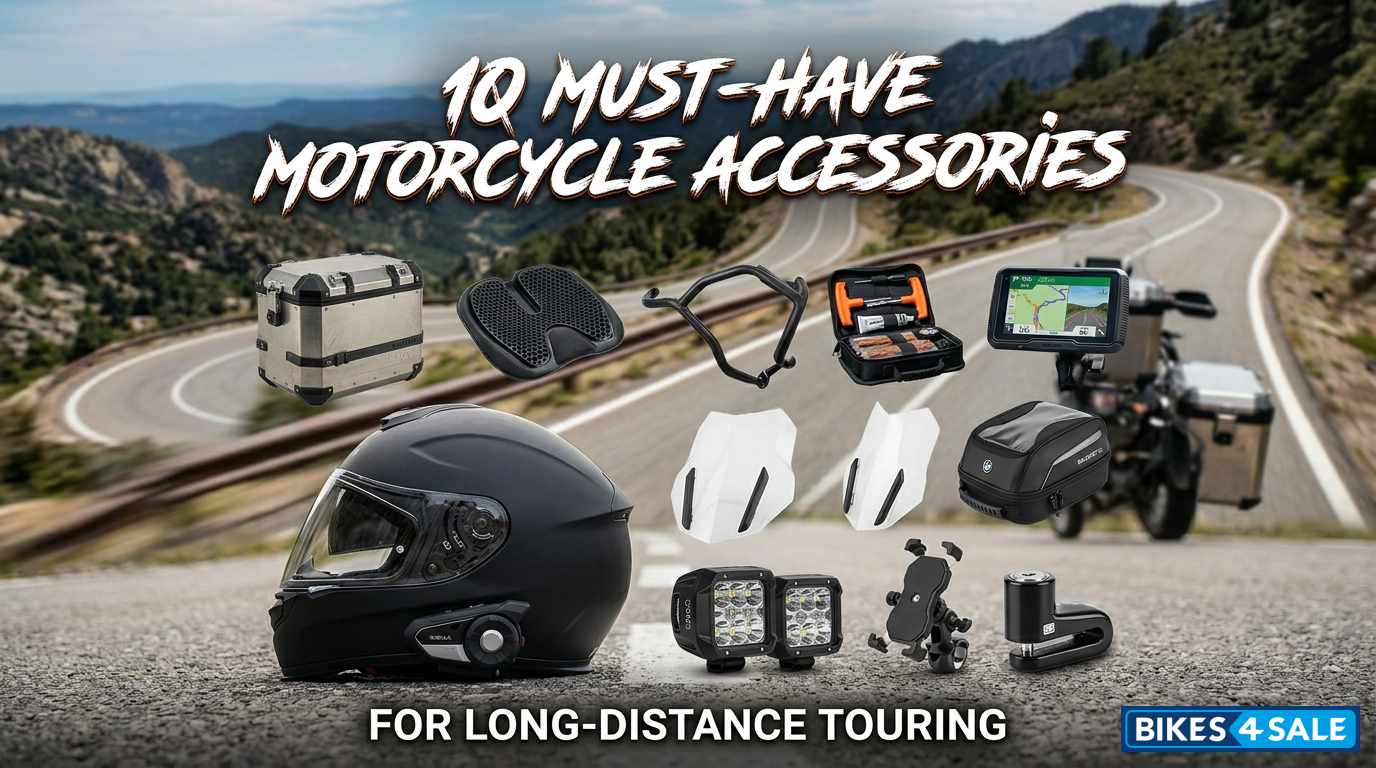
The right motorcycle accessories don’t just add convenience. They help you ride longer, stay focused, and handle unexpected situations with confidence. If you’re planning serious rides, these upgrades are not optional. They’re part of the journey.
A good touring seat is one of the most noticeable upgrades you can make for long-distance riding. Stock seats are usually designed with cost and short rides in mind, not extended hours on the saddle. After two or three hours, most riders start shifting constantly to relieve pressure, which eventually leads to fatigue and reduced focus.
A proper motorcycle touring seat uses materials like gel or multi-density foam to distribute your weight evenly. This reduces pressure points and supports your posture, allowing you to ride longer without discomfort. Some riders even invest in custom seats tailored to their height and riding style, which can make a huge difference on multi-day trips. Once you experience a comfortable seat on a long ride, going back to a stock seat feels like a downgrade.
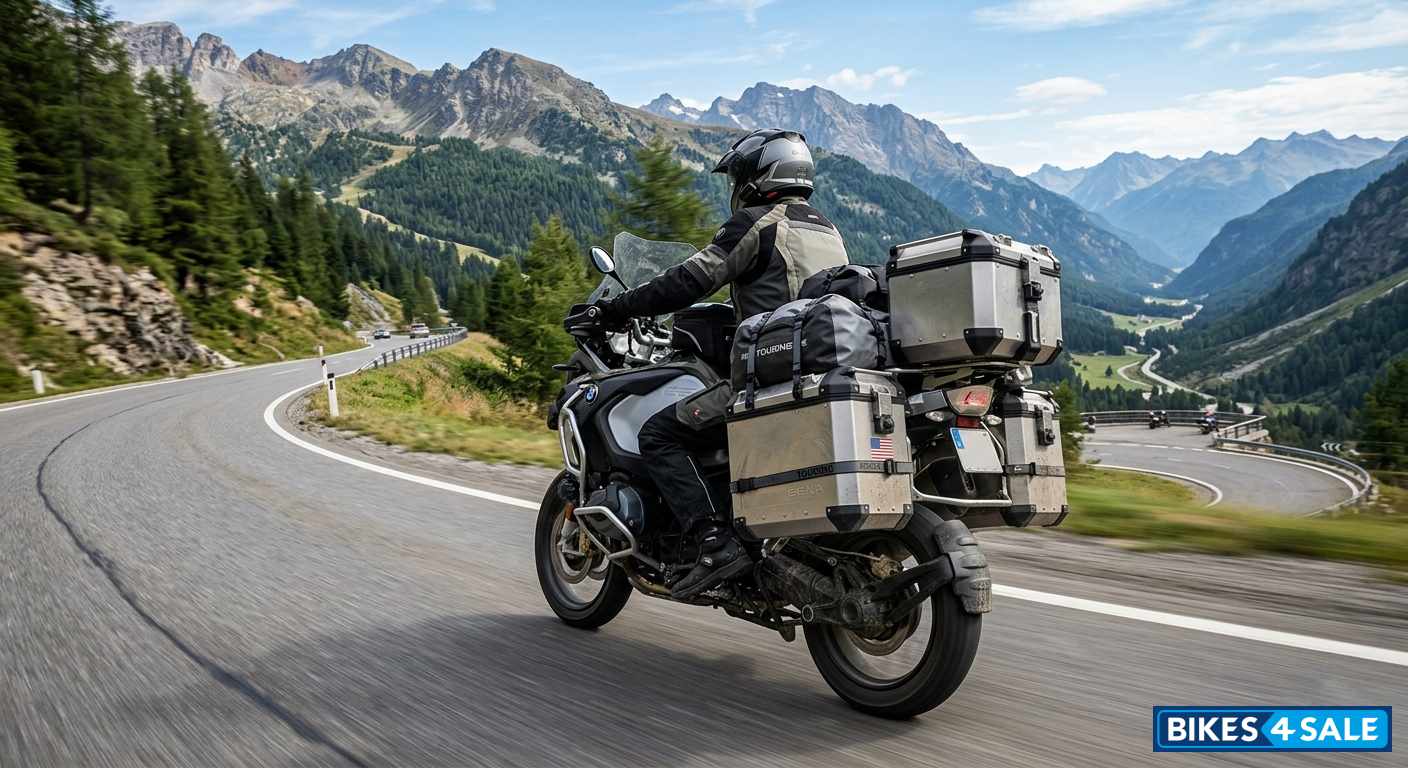
When it comes to long-distance touring, storage isn’t just about convenience, it’s about balance and efficiency. Carrying a heavy backpack for hours can strain your shoulders and affect your riding posture. Saddlebags or panniers solve this by shifting the weight onto the motorcycle, making your ride smoother and less tiring.
Hard panniers are ideal if you want durability and security, especially when riding through different weather conditions. They protect your belongings from rain and can be locked when you park. Soft saddlebags, on the other hand, are lighter and easier to handle, making them a good option for flexible or shorter tours. A well-set luggage system not only increases carrying capacity but also keeps your bike stable at higher speeds, which becomes important on highways.
Wind might not seem like a big issue at first, but over long distances, it becomes one of the biggest sources of fatigue. Constant wind pressure on your chest and helmet forces your body to work harder just to stay stable, which drains energy faster than you realize.
A motorcycle windshield or wind deflector reduces that pressure by redirecting airflow around your body. This makes highway riding noticeably more comfortable and helps you maintain a relaxed posture. It also reduces strain on your neck and shoulders, especially during high-speed cruising. Choosing the right size is important because a poorly fitted windshield can cause turbulence instead of reducing it. When installed correctly, it transforms the way your bike feels on long rides.
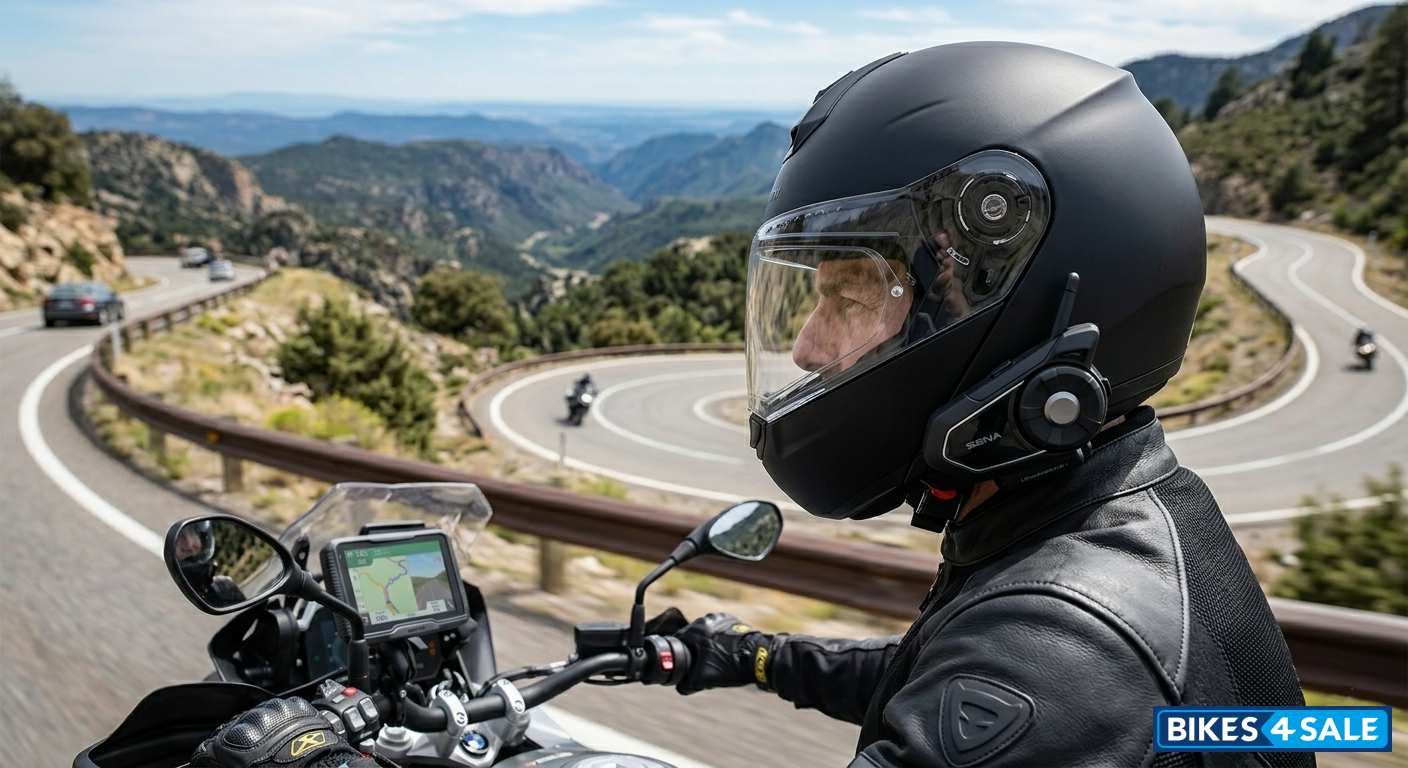
Long rides don’t mean you have to disconnect completely from everything. A Bluetooth helmet communication system adds convenience without compromising safety. It allows you to listen to navigation instructions, take calls, or enjoy music without taking your hands off the controls.
For group rides, it becomes even more useful by enabling real-time communication between riders. This helps with coordination, especially during long routes or unfamiliar roads. A good system offers clear audio even at higher speeds and has enough battery life to last through the day. Once you get used to riding with one, it becomes hard to go without it.
Temperature changes can catch you off guard during long rides, even in regions that are usually warm. Early mornings, rain, or higher altitudes can quickly make your hands cold, and that directly affects your control over the motorcycle.
Heated grips or heated gloves provide consistent warmth, allowing you to maintain proper control of the throttle and brakes. Heated grips are convenient because they are always attached to the bike, while heated gloves offer better insulation overall. Either option improves safety and comfort, especially on longer rides where weather conditions can change unexpectedly. Once your hands stay warm, your confidence on the road improves as well.
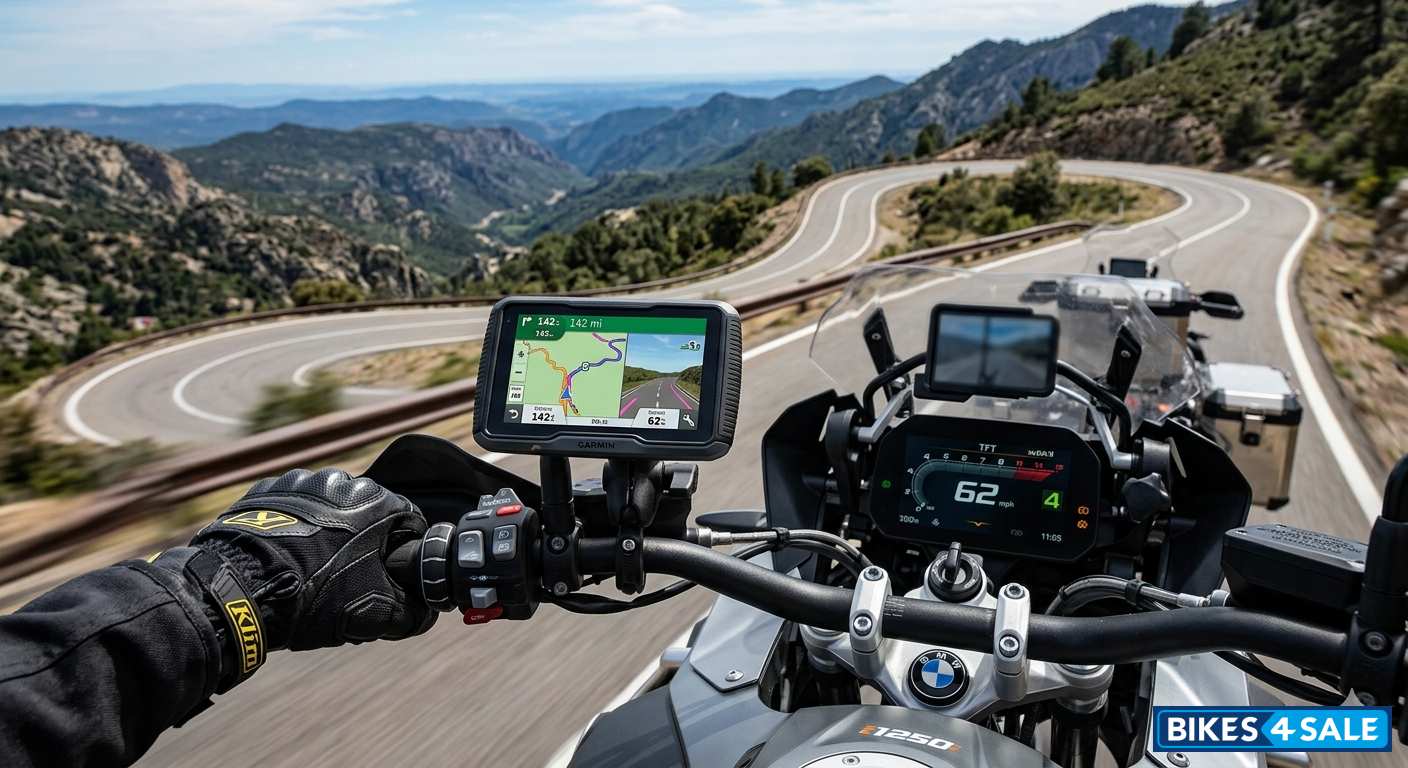
Navigation becomes more important the farther you ride from familiar roads. Stopping frequently to check directions breaks your flow and adds unnecessary delays to your journey. A properly mounted GPS or smartphone keeps your route visible so you can stay focused on riding.
The key here is reliability. A cheap mount may shake, slip, or even fail on rough roads, which can damage your device. A high-quality, vibration-resistant mount ensures your phone or GPS stays secure even on uneven terrain. Dedicated motorcycle GPS units are built for outdoor conditions and offer better visibility under sunlight, but a well-protected smartphone setup works just as well for most riders. Once you have navigation in your line of sight, your ride becomes more efficient and far less stressful.
A tank bag might seem like a small addition, but it quickly becomes one of the most useful accessories on a long ride. It gives you quick access to everyday essentials without needing to open your main luggage or get off the bike.
Items like your phone, wallet, toll cash, or snacks can be stored within easy reach. Many tank bags also include transparent compartments, allowing you to use your phone for navigation while riding. This combination of accessibility and convenience makes a big difference during long journeys. Instead of constantly stopping to grab something, everything you need stays right in front of you.
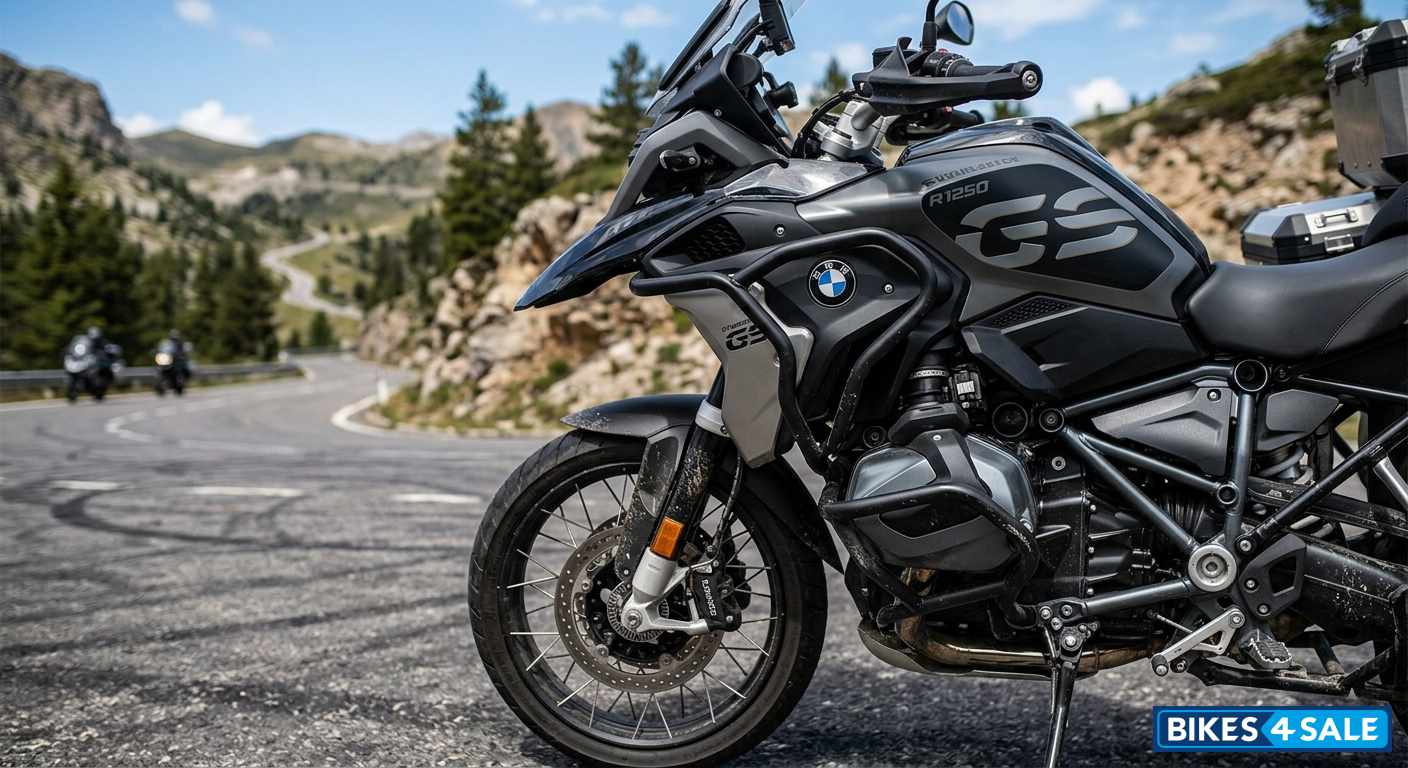
No matter how experienced you are, long-distance touring exposes you to unpredictable conditions. Uneven roads, loose gravel, or sudden stops can lead to minor drops, especially when your bike is loaded with luggage.
Engine guards or crash bars are designed to absorb impact and protect critical parts of your motorcycle. They can prevent expensive damage to the engine and bodywork, and in some cases, even protect your legs during a fall. While no one plans to drop their bike, having this protection adds a layer of security that’s worth it on long trips. It allows you to ride with more confidence, knowing your bike is better prepared for the unexpected.
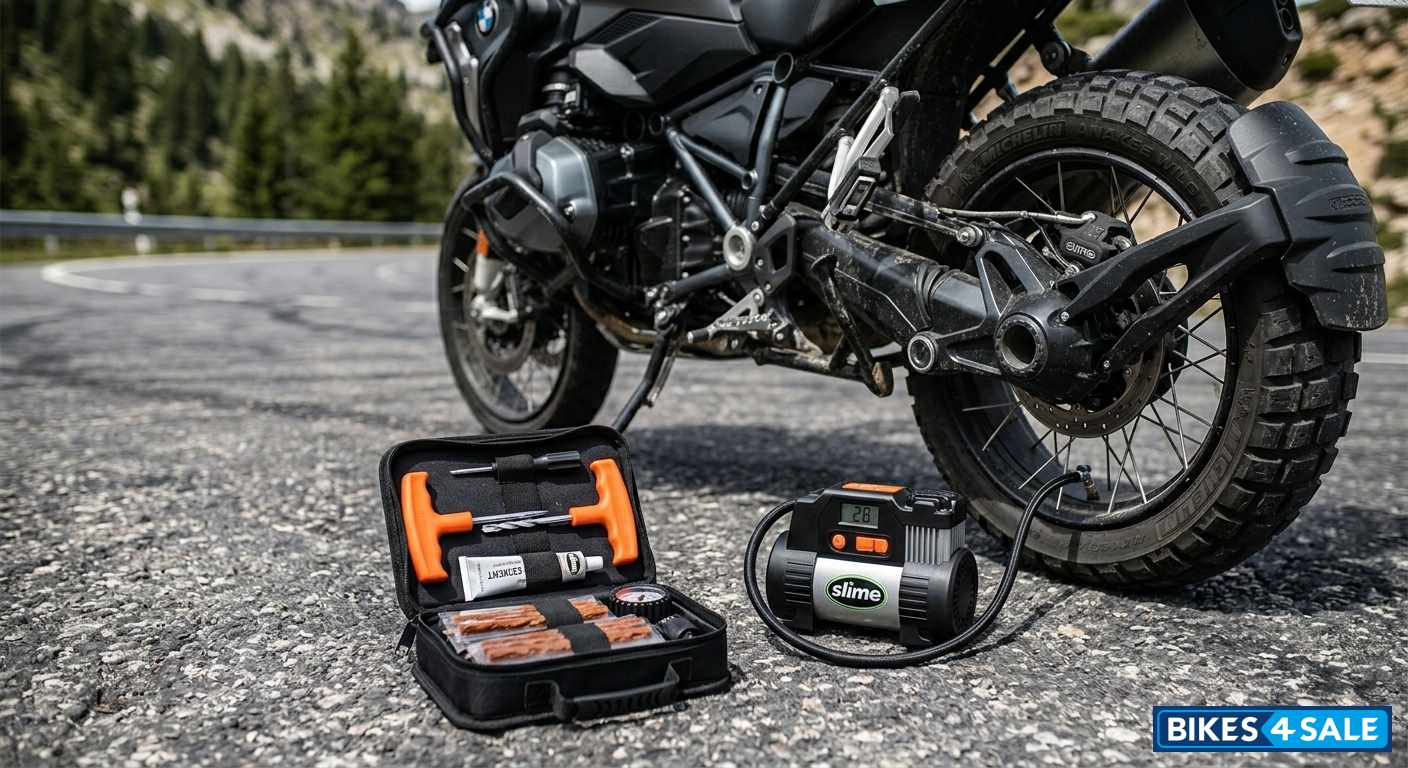
A flat tire can instantly bring your trip to a halt, especially if you’re riding in remote areas where help isn’t easily available. This is why carrying a motorcycle tire repair kit along with a portable air compressor is essential for long-distance touring.
These tools allow you to fix minor punctures on the spot and continue your ride without waiting for assistance. They are compact, easy to carry, and incredibly useful when you need them. Many experienced riders consider this setup a must-have rather than an optional accessory. It gives you independence on the road and reduces the risk of being stranded.
Staying hydrated is often overlooked, but it plays a major role in how well you ride. Dehydration leads to fatigue, slower reaction time, and reduced concentration, all of which can affect your safety.
A hydration system, such as a backpack with a drinking tube, allows you to sip water while riding without stopping. If that’s not your preference, a secure bottle holder can also do the job. The goal is to make hydration easy and consistent throughout your ride. When your body stays hydrated, your energy levels remain stable, and you can ride longer without feeling drained.
The right motorcycle accessories don’t just add convenience. They help you ride longer, stay focused, and handle unexpected situations with confidence. If you’re planning serious rides, these upgrades are not optional. They’re part of the journey.
1. Comfortable Touring Seat
A good touring seat is one of the most noticeable upgrades you can make for long-distance riding. Stock seats are usually designed with cost and short rides in mind, not extended hours on the saddle. After two or three hours, most riders start shifting constantly to relieve pressure, which eventually leads to fatigue and reduced focus.
A proper motorcycle touring seat uses materials like gel or multi-density foam to distribute your weight evenly. This reduces pressure points and supports your posture, allowing you to ride longer without discomfort. Some riders even invest in custom seats tailored to their height and riding style, which can make a huge difference on multi-day trips. Once you experience a comfortable seat on a long ride, going back to a stock seat feels like a downgrade.
2. Saddlebags or Panniers
When it comes to long-distance touring, storage isn’t just about convenience, it’s about balance and efficiency. Carrying a heavy backpack for hours can strain your shoulders and affect your riding posture. Saddlebags or panniers solve this by shifting the weight onto the motorcycle, making your ride smoother and less tiring.
Hard panniers are ideal if you want durability and security, especially when riding through different weather conditions. They protect your belongings from rain and can be locked when you park. Soft saddlebags, on the other hand, are lighter and easier to handle, making them a good option for flexible or shorter tours. A well-set luggage system not only increases carrying capacity but also keeps your bike stable at higher speeds, which becomes important on highways.
3. Windshield or Wind Deflector
Wind might not seem like a big issue at first, but over long distances, it becomes one of the biggest sources of fatigue. Constant wind pressure on your chest and helmet forces your body to work harder just to stay stable, which drains energy faster than you realize.
A motorcycle windshield or wind deflector reduces that pressure by redirecting airflow around your body. This makes highway riding noticeably more comfortable and helps you maintain a relaxed posture. It also reduces strain on your neck and shoulders, especially during high-speed cruising. Choosing the right size is important because a poorly fitted windshield can cause turbulence instead of reducing it. When installed correctly, it transforms the way your bike feels on long rides.
4. Bluetooth Helmet Communication System
Long rides don’t mean you have to disconnect completely from everything. A Bluetooth helmet communication system adds convenience without compromising safety. It allows you to listen to navigation instructions, take calls, or enjoy music without taking your hands off the controls.
For group rides, it becomes even more useful by enabling real-time communication between riders. This helps with coordination, especially during long routes or unfamiliar roads. A good system offers clear audio even at higher speeds and has enough battery life to last through the day. Once you get used to riding with one, it becomes hard to go without it.
5. Heated Grips or Gloves
Temperature changes can catch you off guard during long rides, even in regions that are usually warm. Early mornings, rain, or higher altitudes can quickly make your hands cold, and that directly affects your control over the motorcycle.
Heated grips or heated gloves provide consistent warmth, allowing you to maintain proper control of the throttle and brakes. Heated grips are convenient because they are always attached to the bike, while heated gloves offer better insulation overall. Either option improves safety and comfort, especially on longer rides where weather conditions can change unexpectedly. Once your hands stay warm, your confidence on the road improves as well.
6. Motorcycle GPS or Phone Mount
Navigation becomes more important the farther you ride from familiar roads. Stopping frequently to check directions breaks your flow and adds unnecessary delays to your journey. A properly mounted GPS or smartphone keeps your route visible so you can stay focused on riding.
The key here is reliability. A cheap mount may shake, slip, or even fail on rough roads, which can damage your device. A high-quality, vibration-resistant mount ensures your phone or GPS stays secure even on uneven terrain. Dedicated motorcycle GPS units are built for outdoor conditions and offer better visibility under sunlight, but a well-protected smartphone setup works just as well for most riders. Once you have navigation in your line of sight, your ride becomes more efficient and far less stressful.
7. Tank Bag
A tank bag might seem like a small addition, but it quickly becomes one of the most useful accessories on a long ride. It gives you quick access to everyday essentials without needing to open your main luggage or get off the bike.
Items like your phone, wallet, toll cash, or snacks can be stored within easy reach. Many tank bags also include transparent compartments, allowing you to use your phone for navigation while riding. This combination of accessibility and convenience makes a big difference during long journeys. Instead of constantly stopping to grab something, everything you need stays right in front of you.
8. Crash Protection (Engine Guards)
No matter how experienced you are, long-distance touring exposes you to unpredictable conditions. Uneven roads, loose gravel, or sudden stops can lead to minor drops, especially when your bike is loaded with luggage.
Engine guards or crash bars are designed to absorb impact and protect critical parts of your motorcycle. They can prevent expensive damage to the engine and bodywork, and in some cases, even protect your legs during a fall. While no one plans to drop their bike, having this protection adds a layer of security that’s worth it on long trips. It allows you to ride with more confidence, knowing your bike is better prepared for the unexpected.
9. Portable Air Compressor and Repair Kit
A flat tire can instantly bring your trip to a halt, especially if you’re riding in remote areas where help isn’t easily available. This is why carrying a motorcycle tire repair kit along with a portable air compressor is essential for long-distance touring.
These tools allow you to fix minor punctures on the spot and continue your ride without waiting for assistance. They are compact, easy to carry, and incredibly useful when you need them. Many experienced riders consider this setup a must-have rather than an optional accessory. It gives you independence on the road and reduces the risk of being stranded.
10. Hydration System or Bottle Holder
Staying hydrated is often overlooked, but it plays a major role in how well you ride. Dehydration leads to fatigue, slower reaction time, and reduced concentration, all of which can affect your safety.
A hydration system, such as a backpack with a drinking tube, allows you to sip water while riding without stopping. If that’s not your preference, a secure bottle holder can also do the job. The goal is to make hydration easy and consistent throughout your ride. When your body stays hydrated, your energy levels remain stable, and you can ride longer without feeling drained.
FAQ
| 1. What are the most essential motorcycle accessories for safety? |
| The most critical safety items include a Tire Pressure Monitoring System (TPMS), LED auxiliary lights for better visibility, and a portable jump starter to avoid being stranded. |
| 2. How do I choose the best luggage for my motorcycle? |
| Consider your riding style. Hard panniers offer better security and weatherproofing for highway touring, while soft bags are lighter and more durable for off-road adventures. |
| 3. Is an aftermarket seat worth the investment? |
| Yes. Factory seats are often built for cost-efficiency rather than long-range comfort. An ergonomic seat can significantly increase your daily mileage by reducing pressure points. |
| 4. Do I need a dedicated GPS or is a smartphone enough? |
| While smartphones are versatile, a dedicated motorcycle GPS is often more rugged, glove-friendly, and better at handling extreme temperatures. However, a high-quality phone mount is a cost-effective alternative for most riders. |
| 5. How can I reduce wind fatigue on long rides? |
| Installing an adjustable windshield spoiler or a taller windscreen is the most effective way to minimize wind buffeting and neck strain. |
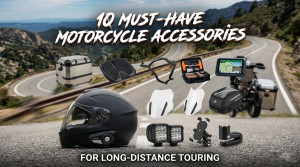 10 Must-Have Motorcycle Accessories for Long-Distance Touring
 Top 10 Electric Motor Scooters USA 2026 | Best Picks
 Best Electric Road Bikes USA 2026 | Top 10 Models
 Top 10 Cafe Racer Motorcycles in USA (2026 List)
 How to Choose the Right Motorcycle Helmet (2026 Guide)
 Best Beginner Gravel Bikes for New Riders
 Do I Need a Professional Bike Fit? Benefits Explained
 What Brand of Motorcycle Is the Most Reliable? Top Brands Compared