A Detailed Breakdown of Safety Standards, Fitment, and Shell Technology
A motorcycle helmet is the most critical piece of gear you will ever own. It is more than just a legal requirement; it is a sophisticated piece of engineering designed to manage extreme energy during an impact. With safety standards evolving in 2026, choosing the right helmet requires understanding fit, shell materials, and the latest certifications.

Selecting a helmet starts with how and where you ride. Each style offers a different balance of protection, airflow, and convenience.
1. Full-Face Helmets
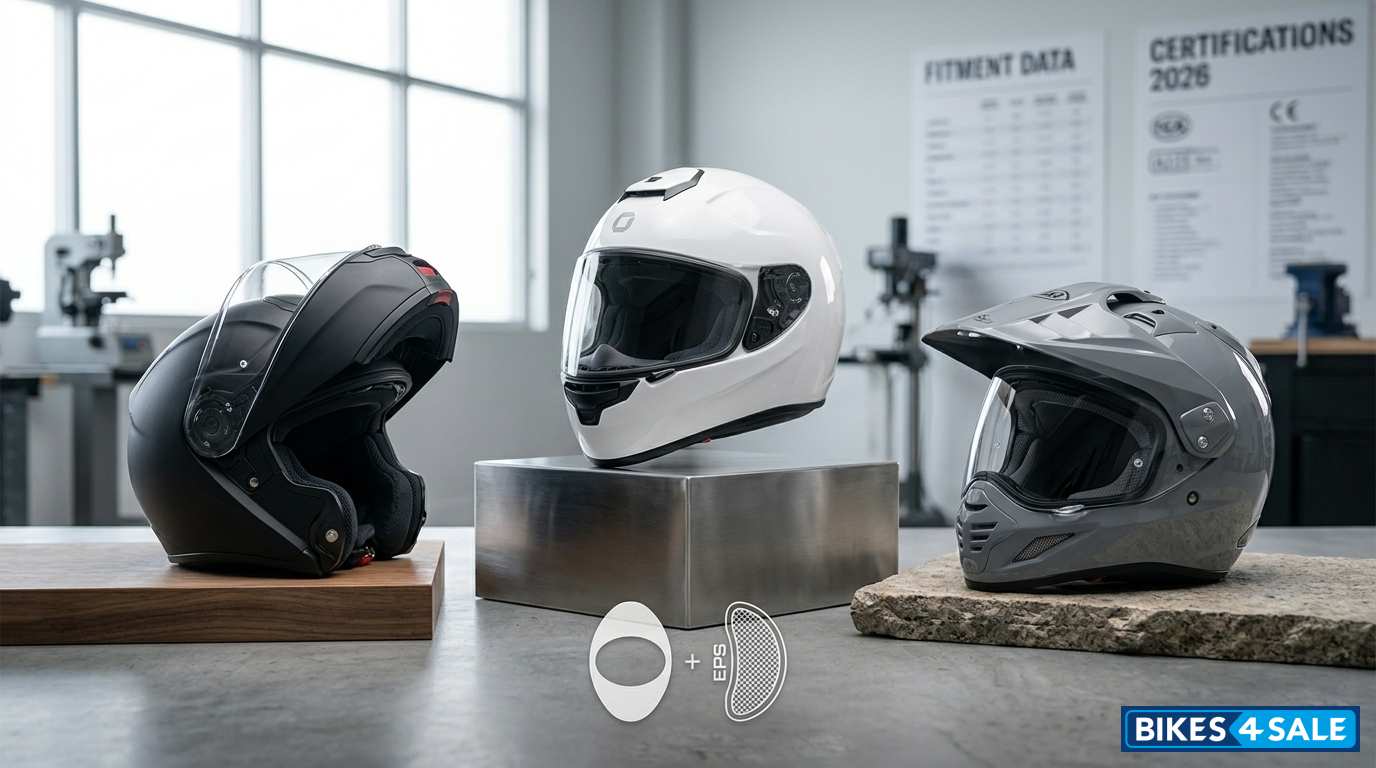
The full-face helmet remains the gold standard for safety. It covers your entire head and features a fixed chin bar, which protects the jaw—an area that statistically takes a high percentage of impacts in motorcycle accidents. These offer the best noise isolation and weather protection.
2. Modular (Flip-Up) Helmets
Modular helmets are favorites among touring riders and commuters. They look like full-face helmets but allow the chin bar to flip up when stopped. While convenient for grabbing a drink or speaking to someone, they are generally slightly heavier and noisier than fixed full-face models due to the hinge mechanism.
3. Open-Face (3/4) Helmets
Common in the cruiser and scooter community, these cover the top, back, and sides of the head but leave the face exposed. While they offer superior peripheral vision and airflow, they provide zero protection for the chin and face.
4. Adventure and Dual-Sport Helmets
These are hybrid designs featuring a sun peak (visor) and an elongated chin bar for better airflow during off-road exertion. They are designed for riders who split their time between tarmac and trails.
In the last year, safety testing has become significantly more rigorous. When browsing for a motorcycle helmet, you will see three main certifications:
• ECE 22.06: This is the current mandatory standard in Europe and most of the world. Unlike the older ECE 22.05, the 22.06 test now measures rotational forces and includes tests at both high and low speeds to ensure the helmet protects in various crash scenarios.
• DOT (FMVSS 218): The US federal standard. While it ensures a baseline of safety, it is a self-certified system by manufacturers. Always look for a DOT sticker that is integrated into the helmet's paint or clear coat to avoid counterfeits.
• Snell M2025: A voluntary, high-bar racing standard. Snell-certified helmets undergo the most aggressive penetration and impact testing available.
A helmet that does not fit correctly is a helmet that cannot do its job. If it is too loose, it can shift or even fly off during an accident.
Measuring Your Head
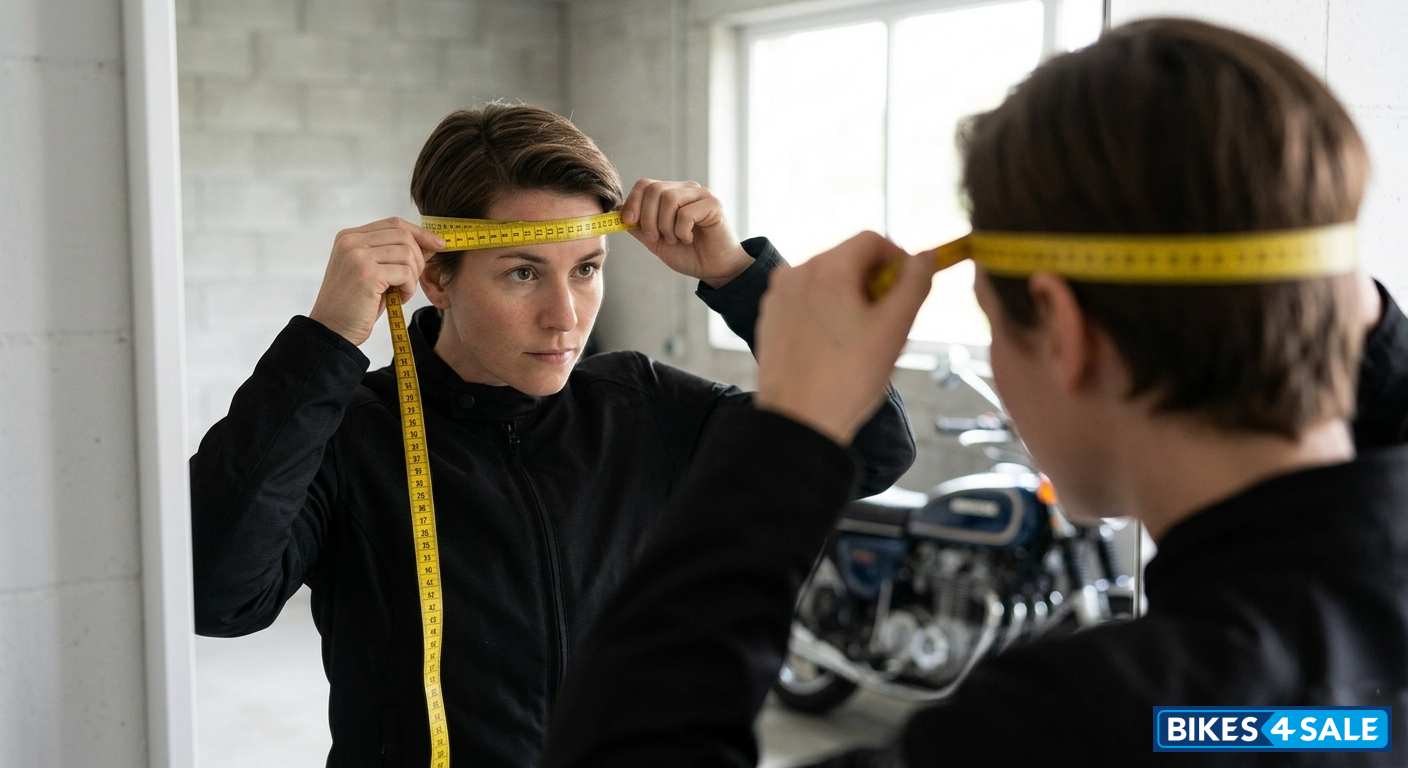
Take a soft measuring tape and wrap it around the widest part of your head—usually about 2 cm above your eyebrows and just above your ears. Note the measurement in cm. Most brands provide a sizing chart where a 57-58 cm measurement typically correlates to a Medium.
Identifying Your Head Shape
Even if the size is right, the internal shape must match your "cranium profile." There are three main categories:
• Long Oval: Longer from front to back than side to side.
• Intermediate Oval: The most common shape, slightly longer front-to-back.
• Round Oval: Almost equal in length and width.
The Fit Test: Put the helmet on. It should feel snug, like a firm "handshake" around your head. It should press against your cheeks (the "chipmunk cheek" effect). If you can easily slide a finger between your forehead and the EPS liner, the helmet is too large.
The outer shell of a motorcycle helmet is designed to abrade and spread the force of an impact, while the inner liner absorbs the energy.

• Polycarbonate: These shells are affordable and flexible. They are slightly heavier but provide excellent energy absorption by flexing under pressure.
• Fiberglass Composite: Stronger and lighter than polycarbonate. It is designed to crush and crack on impact to soak up energy.
• Carbon Fiber: The premium choice. It is incredibly light, reducing neck fatigue on long rides, and offers superior strength-to-weight ratios.
Inside the shell is the EPS liner (Expanded Polystyrene). High-quality helmets use multi-density EPS, which features softer foam for low-speed bumps and firmer foam for high-speed hits.
Technical Summary Table
The Double-D ring is the traditional racing standard. It is simple, fail-proof, and allows you to adjust the tension every time you put the helmet on. Micrometric buckles (ratchet style) are more convenient for short urban trips but can be bulkier under the chin.
A motorcycle helmet has a limited lifespan. The resins in the shell and the oils in the EPS liner degrade over time due to UV exposure and hair oils.
1. The 5-Year Rule: Replace your helmet every five years from the date of first use, or seven years from the date of manufacture.
2. The Drop Rule: If you drop your helmet onto a hard surface from waist height while it is empty, it may be okay, but have it inspected. If your head is inside the helmet during a fall, the EPS liner has compressed to save you. It is now a "one-hit wonder" and must be replaced immediately.
The Four Main Helmet Types
Selecting a helmet starts with how and where you ride. Each style offers a different balance of protection, airflow, and convenience.
1. Full-Face Helmets
The full-face helmet remains the gold standard for safety. It covers your entire head and features a fixed chin bar, which protects the jaw—an area that statistically takes a high percentage of impacts in motorcycle accidents. These offer the best noise isolation and weather protection.
2. Modular (Flip-Up) Helmets
Modular helmets are favorites among touring riders and commuters. They look like full-face helmets but allow the chin bar to flip up when stopped. While convenient for grabbing a drink or speaking to someone, they are generally slightly heavier and noisier than fixed full-face models due to the hinge mechanism.
3. Open-Face (3/4) Helmets
Common in the cruiser and scooter community, these cover the top, back, and sides of the head but leave the face exposed. While they offer superior peripheral vision and airflow, they provide zero protection for the chin and face.
4. Adventure and Dual-Sport Helmets
These are hybrid designs featuring a sun peak (visor) and an elongated chin bar for better airflow during off-road exertion. They are designed for riders who split their time between tarmac and trails.
Understanding 2026 Safety Standards
In the last year, safety testing has become significantly more rigorous. When browsing for a motorcycle helmet, you will see three main certifications:
• ECE 22.06: This is the current mandatory standard in Europe and most of the world. Unlike the older ECE 22.05, the 22.06 test now measures rotational forces and includes tests at both high and low speeds to ensure the helmet protects in various crash scenarios.
• DOT (FMVSS 218): The US federal standard. While it ensures a baseline of safety, it is a self-certified system by manufacturers. Always look for a DOT sticker that is integrated into the helmet's paint or clear coat to avoid counterfeits.
• Snell M2025: A voluntary, high-bar racing standard. Snell-certified helmets undergo the most aggressive penetration and impact testing available.
Finding the Perfect Fit: Measurements and Head Shape
A helmet that does not fit correctly is a helmet that cannot do its job. If it is too loose, it can shift or even fly off during an accident.
Measuring Your Head
Take a soft measuring tape and wrap it around the widest part of your head—usually about 2 cm above your eyebrows and just above your ears. Note the measurement in cm. Most brands provide a sizing chart where a 57-58 cm measurement typically correlates to a Medium.
Identifying Your Head Shape
Even if the size is right, the internal shape must match your "cranium profile." There are three main categories:
• Long Oval: Longer from front to back than side to side.
• Intermediate Oval: The most common shape, slightly longer front-to-back.
• Round Oval: Almost equal in length and width.
The Fit Test: Put the helmet on. It should feel snug, like a firm "handshake" around your head. It should press against your cheeks (the "chipmunk cheek" effect). If you can easily slide a finger between your forehead and the EPS liner, the helmet is too large.
Technical Specifications: Shell Materials and Liners
The outer shell of a motorcycle helmet is designed to abrade and spread the force of an impact, while the inner liner absorbs the energy.
• Polycarbonate: These shells are affordable and flexible. They are slightly heavier but provide excellent energy absorption by flexing under pressure.
• Fiberglass Composite: Stronger and lighter than polycarbonate. It is designed to crush and crack on impact to soak up energy.
• Carbon Fiber: The premium choice. It is incredibly light, reducing neck fatigue on long rides, and offers superior strength-to-weight ratios.
Inside the shell is the EPS liner (Expanded Polystyrene). High-quality helmets use multi-density EPS, which features softer foam for low-speed bumps and firmer foam for high-speed hits.
Technical Summary Table
| Feature | Polycarbonate Shell | Carbon Fiber Shell |
|---|---|---|
| Weight | Heavier (approx 1600g) | Ultra-light (approx 1300g) |
| Cost | Budget-friendly | Premium |
| Impact Flex | High | Low (rigid) |
| Best For | Commuters / Beginners | Track / Long Distance |
Retention Systems: Double-D vs. Micrometric
The Double-D ring is the traditional racing standard. It is simple, fail-proof, and allows you to adjust the tension every time you put the helmet on. Micrometric buckles (ratchet style) are more convenient for short urban trips but can be bulkier under the chin.
Essential Maintenance and the 5-Year Rule
A motorcycle helmet has a limited lifespan. The resins in the shell and the oils in the EPS liner degrade over time due to UV exposure and hair oils.
1. The 5-Year Rule: Replace your helmet every five years from the date of first use, or seven years from the date of manufacture.
2. The Drop Rule: If you drop your helmet onto a hard surface from waist height while it is empty, it may be okay, but have it inspected. If your head is inside the helmet during a fall, the EPS liner has compressed to save you. It is now a "one-hit wonder" and must be replaced immediately.
FAQ
| How tight should a new motorcycle helmet be? |
| It should be very snug. The interior pads will break in by about 10% to 15% after the first few hours of riding. If it feels comfortable in the store, it will likely be too loose in a month. |
| Do expensive helmets protect better? |
| Not necessarily. All certified helmets meet the same baseline safety requirements. Higher prices usually pay for lighter materials such as carbon fiber, better ventilation ports, reduced wind noise, and more intricate graphic designs. |
| Can I buy a used helmet? |
| No. You cannot see internal damage to the EPS liner. A helmet might look pristine on the outside but have a compressed liner that offers little protection. Always buy new. |



 How to Choose the Right Motorcycle Helmet (2026 Guide)
 Best Beginner Gravel Bikes for New Riders
 Do I Need a Professional Bike Fit? Benefits Explained
 What Brand of Motorcycle Is the Most Reliable? Top Brands Compared
 What Type of Bike Should I Get for Commuting? A Complete Beginner’s Guide
 What Is the Most Comfortable Motorcycle to Ride in the USA?
 Best Value Mountain Bikes in Australia (2026 Buyer’s Guide)
 Why More Women in Their 30s and 40s Are Getting Into Cycling