A practical guide to planning your best solo ride yet
There’s a certain kind of freedom that only comes from riding alone. No group pace to match, no fixed expectations, just your rhythm and the road ahead. But the truth is, the best solo trips don’t happen on impulse. They’re built on smart decisions made before the engine even starts.
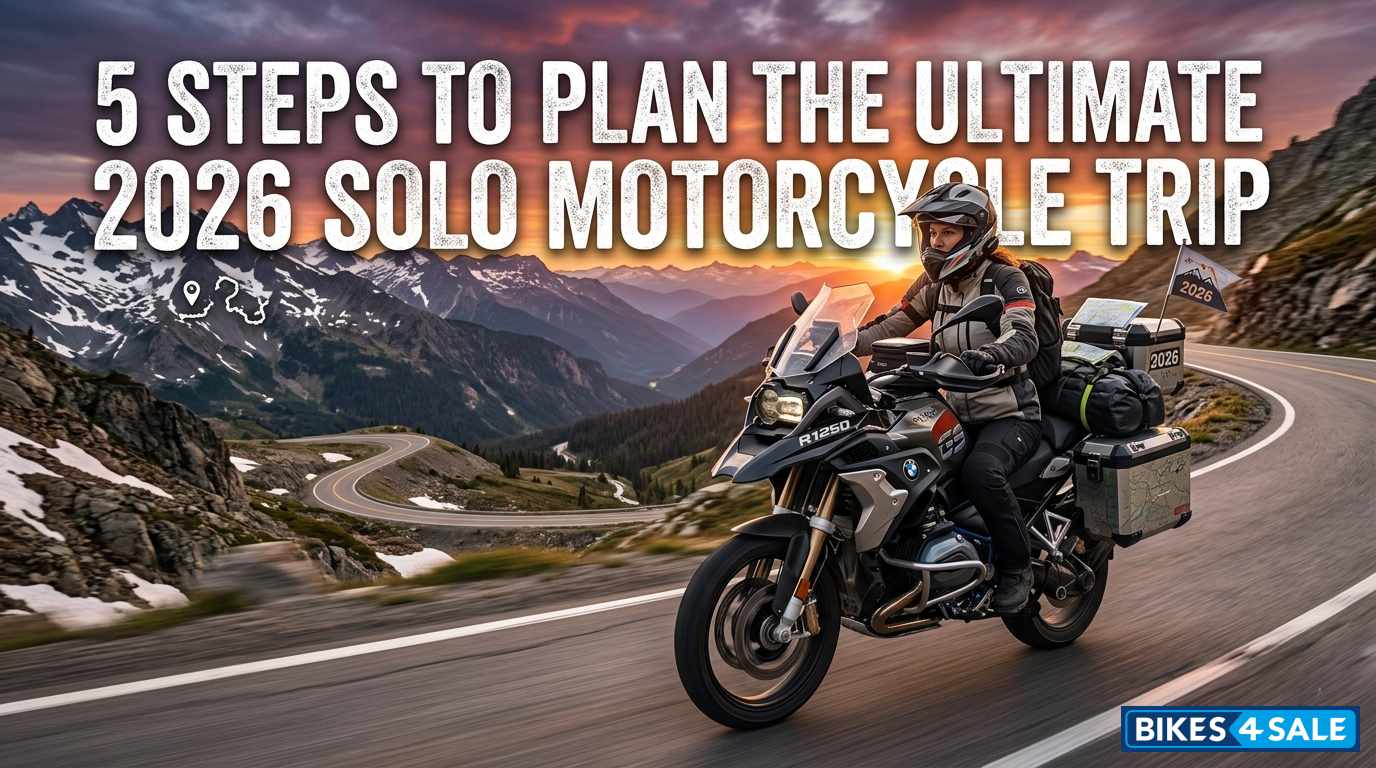
If you’re thinking about solo motorcycle trip planning 2026, this guide walks you through what actually matters. Not generic advice, but practical steps that make your ride smoother, safer, and far more enjoyable.
Everything starts here. The bike you ride and the road you choose will shape your entire experience.
A comfortable motorcycle is more important than a powerful one. If you’re planning long days, your back, wrists, and seat comfort will matter more than speed. Touring and adventure bikes are usually the safest bet, but even smaller bikes can handle long trips if you plan your distances well.
When it comes to routes, don’t just pick what looks good on a map. Think about what kind of ride you want. Do you prefer winding scenic roads or long, fast highways? Are you okay with remote stretches, or do you want frequent stops?
Many riders underestimate how tiring certain routes can be. A mountain road might look short but take hours. A highway might be faster but mentally draining. Good long distance bike trip planning means balancing both.
Break your journey into realistic daily rides and leave space for detours. Some of the best routes for solo motorcycle trips are the ones you didn’t plan.
A well-planned budget keeps your trip stress-free. You don’t want to be calculating fuel costs every time you stop.
Start with the basics: fuel, accommodation, food, and maintenance. Then add a buffer. Prices can change quickly, especially if you're traveling across countries.
Instead of booking everything in advance, keep some flexibility. Lock in your first couple of nights, especially if you're arriving late. After that, let your pace guide your bookings. This approach works well for most motorcycle touring guide strategies.
If you’re traveling internationally, double-check visa rules, insurance coverage, and fuel availability in remote areas. These small details can make or break a trip.
Packing is where most riders either overdo it or miss key items.
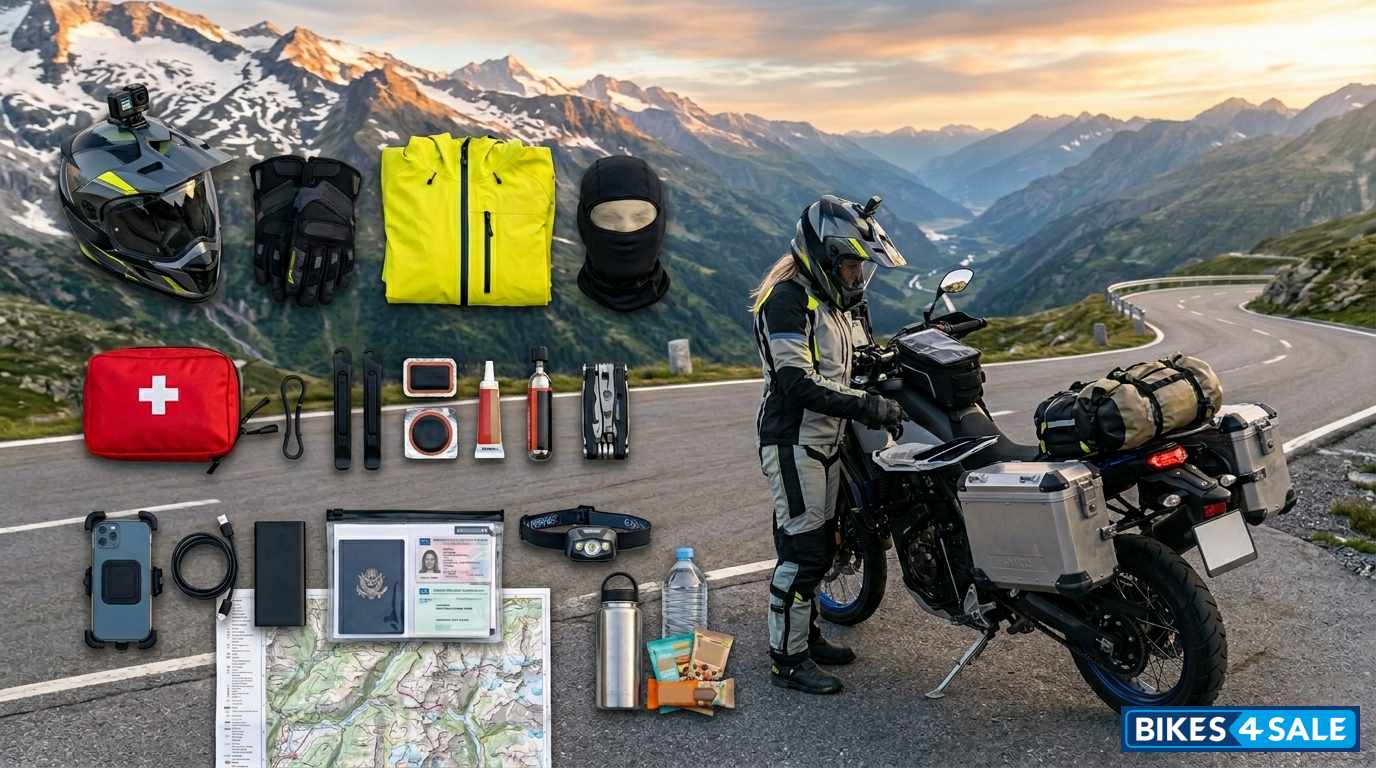
The goal is simple: carry what you need, nothing more, nothing less. Every extra kilogram affects handling, especially on longer rides.
Your riding gear should be non-negotiable. A good helmet, protective jacket, gloves, and weather-ready layers will keep you comfortable across changing conditions. Weather can shift quickly, even within a single day. When it comes to packing, organization matters more than quantity. Keep frequently used items easy to access. Balance your luggage evenly so the bike feels stable.
Here’s a simple motorcycle travel checklist to keep things on track:
• Riding gear and rain protection
• Basic tool kit and tire repair kit
• First aid kit
• Phone mount and charger
• Copies of important documents
• Water and energy snacks
You don’t need more than this to start. The rest is optional.
Safety isn’t just about gear. It’s about how you ride and how prepared you are when things don’t go as planned.
Long solo rides can be mentally exhausting. Take breaks before you feel tired, not after. Hydration and focus are just as important as fuel.
Navigation is another area where riders often rely too much on a single tool. GPS is great, but it’s not perfect. Always have offline maps downloaded, and if possible, carry a basic backup map. Losing signal in a remote area is more common than you think.
Documentation is simple but critical. Keep both physical and digital copies of your license, insurance, and bike papers. If you’re crossing borders, an International Driving Permit might be required.
These aren’t exciting details, but they’re what keep your trip running smoothly.
This is the step people rarely talk about, but it’s just as important as everything else.
Riding solo means spending long hours with your own thoughts. At first, it can feel strange. Then it becomes one of the best parts of the journey. You’ll also face moments of uncertainty. A wrong turn, unexpected weather, or a change in plan. The key is not to resist it. Adapt and move forward. Trust your instincts. If something doesn’t feel right, change your plan. That freedom is the biggest advantage of solo travel.
Good solo bike trip tips often come down to this: stay flexible, stay aware, and don’t rush the experience.
If you’re looking for inspiration, a few routes stand out for solo riders in 2026.
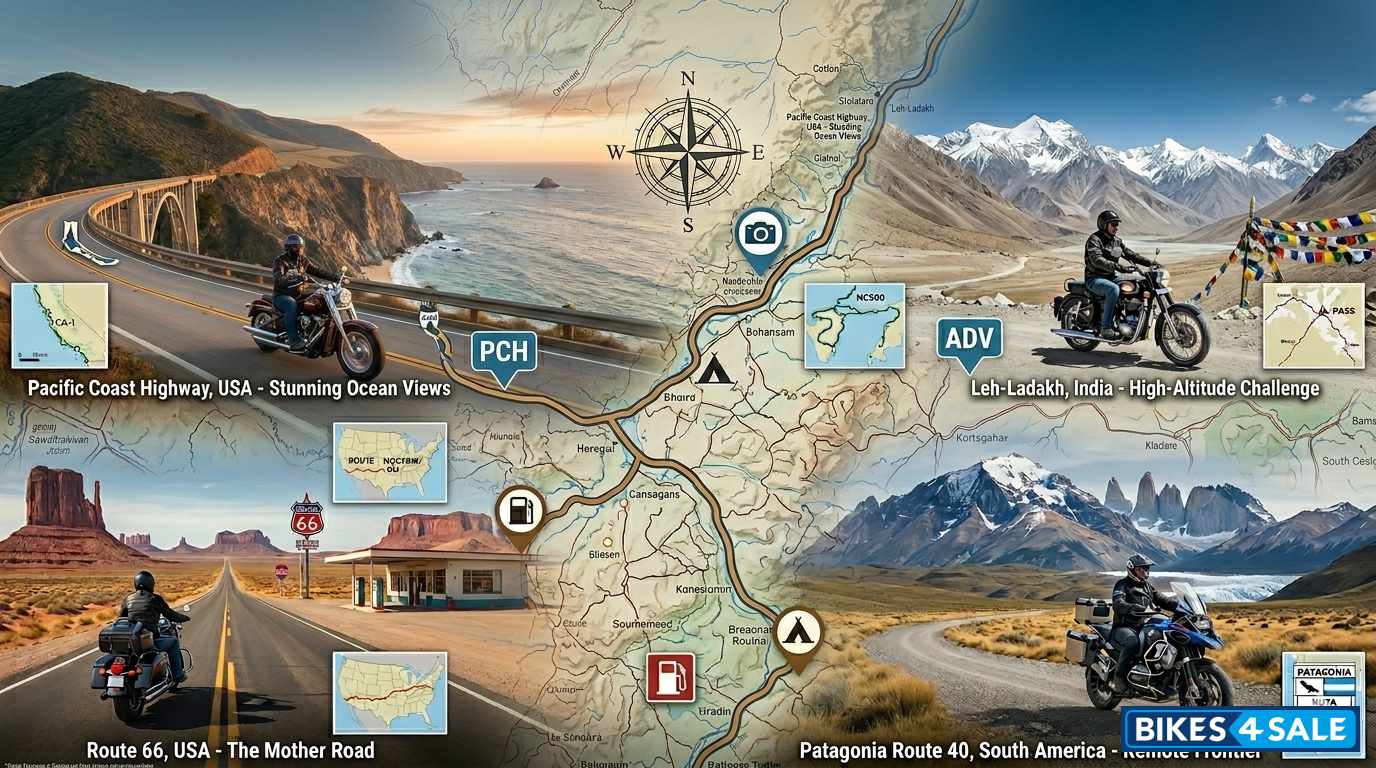
The Pacific Coast Highway in the US offers stunning ocean views and smooth roads. Route 66 gives you a classic long-distance experience with plenty of stops along the way.
In Europe, the Scottish Highlands are raw and scenic, while in India, Leh–Ladakh delivers a more rugged, high-altitude adventure. Australia’s Great Ocean Road and South America’s Patagonia Route 40 also remain top choices for riders who want something more remote.
Each route offers a different kind of ride, so choose based on your comfort and experience.
Before you leave, take a final pass through your essentials:
• Bike serviced and ready
• Valid documents and copies
• Emergency contacts saved
• Navigation tools working offline
• Gear tested for comfort
• Budget buffer in place
A quick check like this can save you from bigger issues later.
Even experienced riders make simple mistakes when planning a solo trip.
One common issue is overplanning. Trying to control every detail takes away the freedom that makes solo travel special. Another is ignoring weather conditions, which can quickly turn a great ride into a difficult one.
Packing too much is another classic mistake. It adds weight, reduces comfort, and slows you down. And finally, many riders push too hard, riding long hours without proper breaks. That’s where fatigue becomes dangerous.
Keep things simple. That’s usually the better approach.
A solo ride is more than just travel. It’s time to think, reset, and experience the road on your own terms. With the right approach to solo motorcycle trip planning 2026, you’re not just preparing for a trip, you’re setting yourself up for something unforgettable.
Take your time with the planning, then enjoy every mile that follows.
If you’re thinking about solo motorcycle trip planning 2026, this guide walks you through what actually matters. Not generic advice, but practical steps that make your ride smoother, safer, and far more enjoyable.
1. Choosing the Right Motorcycle & Route
Everything starts here. The bike you ride and the road you choose will shape your entire experience.
A comfortable motorcycle is more important than a powerful one. If you’re planning long days, your back, wrists, and seat comfort will matter more than speed. Touring and adventure bikes are usually the safest bet, but even smaller bikes can handle long trips if you plan your distances well.
When it comes to routes, don’t just pick what looks good on a map. Think about what kind of ride you want. Do you prefer winding scenic roads or long, fast highways? Are you okay with remote stretches, or do you want frequent stops?
Many riders underestimate how tiring certain routes can be. A mountain road might look short but take hours. A highway might be faster but mentally draining. Good long distance bike trip planning means balancing both.
Break your journey into realistic daily rides and leave space for detours. Some of the best routes for solo motorcycle trips are the ones you didn’t plan.
2. Budget and Travel Planning
A well-planned budget keeps your trip stress-free. You don’t want to be calculating fuel costs every time you stop.
Start with the basics: fuel, accommodation, food, and maintenance. Then add a buffer. Prices can change quickly, especially if you're traveling across countries.
Instead of booking everything in advance, keep some flexibility. Lock in your first couple of nights, especially if you're arriving late. After that, let your pace guide your bookings. This approach works well for most motorcycle touring guide strategies.
If you’re traveling internationally, double-check visa rules, insurance coverage, and fuel availability in remote areas. These small details can make or break a trip.
3. Packing Essentials & Gear Checklist
Packing is where most riders either overdo it or miss key items.
The goal is simple: carry what you need, nothing more, nothing less. Every extra kilogram affects handling, especially on longer rides.
Your riding gear should be non-negotiable. A good helmet, protective jacket, gloves, and weather-ready layers will keep you comfortable across changing conditions. Weather can shift quickly, even within a single day. When it comes to packing, organization matters more than quantity. Keep frequently used items easy to access. Balance your luggage evenly so the bike feels stable.
Here’s a simple motorcycle travel checklist to keep things on track:
• Riding gear and rain protection
• Basic tool kit and tire repair kit
• First aid kit
• Phone mount and charger
• Copies of important documents
• Water and energy snacks
You don’t need more than this to start. The rest is optional.
4. Safety, Navigation & Documentation
Safety isn’t just about gear. It’s about how you ride and how prepared you are when things don’t go as planned.
Long solo rides can be mentally exhausting. Take breaks before you feel tired, not after. Hydration and focus are just as important as fuel.
Navigation is another area where riders often rely too much on a single tool. GPS is great, but it’s not perfect. Always have offline maps downloaded, and if possible, carry a basic backup map. Losing signal in a remote area is more common than you think.
Documentation is simple but critical. Keep both physical and digital copies of your license, insurance, and bike papers. If you’re crossing borders, an International Driving Permit might be required.
These aren’t exciting details, but they’re what keep your trip running smoothly.
5. Mental Prep & Solo Travel Mindset
This is the step people rarely talk about, but it’s just as important as everything else.
Riding solo means spending long hours with your own thoughts. At first, it can feel strange. Then it becomes one of the best parts of the journey. You’ll also face moments of uncertainty. A wrong turn, unexpected weather, or a change in plan. The key is not to resist it. Adapt and move forward. Trust your instincts. If something doesn’t feel right, change your plan. That freedom is the biggest advantage of solo travel.
Good solo bike trip tips often come down to this: stay flexible, stay aware, and don’t rush the experience.
Best Routes for Solo Motorcycle Trips in 2026
If you’re looking for inspiration, a few routes stand out for solo riders in 2026.
The Pacific Coast Highway in the US offers stunning ocean views and smooth roads. Route 66 gives you a classic long-distance experience with plenty of stops along the way.
In Europe, the Scottish Highlands are raw and scenic, while in India, Leh–Ladakh delivers a more rugged, high-altitude adventure. Australia’s Great Ocean Road and South America’s Patagonia Route 40 also remain top choices for riders who want something more remote.
Each route offers a different kind of ride, so choose based on your comfort and experience.
Solo Motorcycle Trip Checklist
Before you leave, take a final pass through your essentials:
• Bike serviced and ready
• Valid documents and copies
• Emergency contacts saved
• Navigation tools working offline
• Gear tested for comfort
• Budget buffer in place
A quick check like this can save you from bigger issues later.
Common Mistakes to Avoid
Even experienced riders make simple mistakes when planning a solo trip.
One common issue is overplanning. Trying to control every detail takes away the freedom that makes solo travel special. Another is ignoring weather conditions, which can quickly turn a great ride into a difficult one.
Packing too much is another classic mistake. It adds weight, reduces comfort, and slows you down. And finally, many riders push too hard, riding long hours without proper breaks. That’s where fatigue becomes dangerous.
Keep things simple. That’s usually the better approach.
A solo ride is more than just travel. It’s time to think, reset, and experience the road on your own terms. With the right approach to solo motorcycle trip planning 2026, you’re not just preparing for a trip, you’re setting yourself up for something unforgettable.
Take your time with the planning, then enjoy every mile that follows.

 The 7 Best Electric Mountain Bikes in the US (2026)
 8 Best Electric Mopeds Under $1,000 in the USA (2026)
 The 10 Most Expensive Motorcycles Ever Made
 Top-Rated Gas Scooter Brands in the US (2026)
 10 Best Electric Commuter Motorcycles in the USA (2026)
 Top 10 Best 50cc Scooters in the USA (2026)
 Top 7 Women's Road Bikes for USA 2026 - Best Picks
 Top 5 125cc Motorcycles for USA 2026 - Best Beginner Bikes