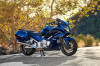
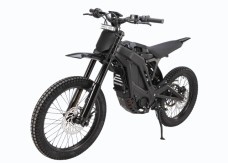
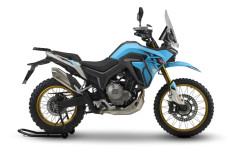
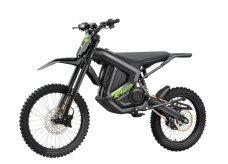
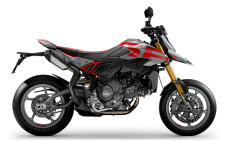
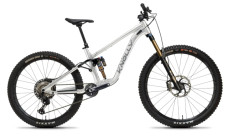
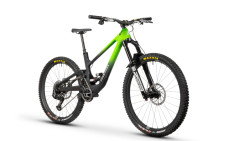
Aprilia 2023 RSV4 Factory 1100 vs Yamaha 2022 FJR1300ES

Compare Specifications of Aprilia 2023 RSV4 Factory 1100 and Yamaha 2022 FJR1300ES

Selected Bikes

Aprilia 2023 RSV4 Factory 1100

Brand:

Model:

Yamaha 2022 FJR1300ES

Brand:

Model:

Brand:

Model:

Brand:

Model:

Technical Specifications
Fuel Petrol Petrol
Engine Displacement 1099.00 cc 1298.00 cc
Engine Aprilia longitudinal 65° V-4 cylinder, 4-stroke, liquid cooled, double overhead camshafts (DOHC), four valves per cylinder. Liquid-cooled DOHC inline 4-cylinder; 16 valves
Fuel System -- Fuel injection with YCC-T
Ignition -- TCI: Transistor Controlled Ignition
Maximum Power 217 HP --
Maximum Torque 125 Nm --
Transmission Extractable 6-speed , wet clutch w/ slipper - Gear lever with Aprilia Quick Shift electronic system (AQS) 6-speed; multiplate assist-and-slipper wet clutch
Drivetrain -- Final Drive: Shaft
Frame -- High-Strength Aluminum Frame
Headlamp -- LED
Taillamp -- LED
Tyres
Front Aluminum alloy forged 3.5”x17” wheel rims, completely machined, 5 split spoke design. Tire: 120/70 ZR 17” 120/70ZR17
Rear Aluminum alloy forged 6”x17” wheel rims, completely machined, 5 split spoke design. Tire 200/55 ZR 17”; alternative: 190/50 ZR 17, 190/55 ZR 17 180/55ZR17
Brakes
Front Dual 330-mm diameter floating stainless steel disc with lightweight stainless steel rotor and aluminum flange with 6 pins. Brembo Stylema® monobloc radial calipers with 4 Ø30mm opposing pistons. Sintered pads. Radial pump and metal braided brake hose. Dual 320mm discs; Unified Brake System and ABS
Rear 220 mm disc. Brembo caliper with two 32 mm separate pistons. Master cylinder with built in reservoir and metal braided hose. 282mm disc; Unified Brake System and ABS
ABS Bosch ABS with cornering function and 3 map settings, equipped with RLM (Rear wheel Lift-up Mitigation) strategy --
Suspension
Front Smart EC 2.0 electronically managed Öhlins NIX fork. 43 mm stanchions, with TIN surface treatment Aluminum radial caliper mounting brackets adjustable in hydraulic compression and rebound damping and spring preload, 125 mm travel. 43mm inverted fork with electronically adjustable rebound and compression damping; 5.3-in travel
Rear Upside-down double braced aluminum swingarm; Öhlins TTX monoshock with Smart EC 2.0 electronically managed piggy-back, fully adjustable in: spring pre-load, wheelbase and hydraulic compression and rebound damping. 115 mm travel. Single shock with electronically adjustable spring preload, rebound and compression damping; 4.9-in travel
Colors Available
Colors Time Attack
Ultra Dark
Speed White
--


Physical Specs
Length -- 2230 mm
Width -- 749 mm
Height -- 1325-1455 mm
Seat Height 850.9 805-825
Wheelbase -- 1544 mm
Ground Clearance -- 124 mm
Fuel Tank Capacity 17.9 litres 25 litres
Overview
About The 2023 RSV4 Factory 1100 showcases an exceptional blend of engineering brilliance, with a 217 Read More --
Features -- Adjustability for Rider & Passenger Comfort
Assist & Slipper Clutch
Traction Control
Cruise Control
Advanced Ride-by-Wire Fuel Injection
Adjustable D-Mode Throttle
Compact & Efficient Shaft Drive
High Efficiency Dual Exhaust
Aerodynamic Bodywork
Powerful, Secure Braking
Integrated Luggage
Fairing-Mounted Storage
Standard Heated Grips
Additional Details Chassis - Aluminum dual beam chassis with pressed and cast sheet elements. Available adjustments: position and angle of the headstock, engine height, swingarm pivot height. Smart EC 2.0 electronically managed Öhlins steering damper.
Power supply - Airbox with front dynamic air intakes. 4 Marelli 48-mm throttle bodies with 8 injectors and Ride-By-Wire engine management.
Electronic management - APRC system (Aprilia Performance Ride Control) that includes engine maps (AEM), engine brake control (AEB), traction control (ATC), wheelie control (AWC), launch control (ALC), cruise control (ACC), speed limiter (APT). 6 riding modes (3 Road, 3 Track)
Rake (Castor Angle): 26.0°
Trail: 4.3 in
Fuel Economy: 36 mpg
Wet Weight: 642 lbs (CA model 644 lbs)

Which one do you think is better? And why?
Name :

Comment :

5557