
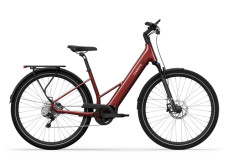
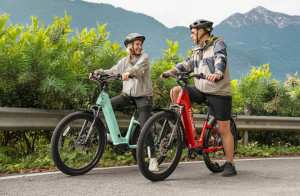
 Best Step-Through E-Bikes for Seniors (2025)
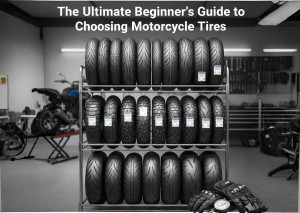 How to Choose the Best Tire for Your Motorcycle: Beginner Guide
 Step-Through vs. Traditional Frames: Which Works Better for Older Riders in America?
 Top 10 Electric Bikes Under $1000
 Best 400cc Motorcycle for Beginner in USA: Top 7 Picks 2025
 Best Commuter Bikes Under $500 AUD (2025)
 Best Budget Bicycles Under $500 in the USA – Top 5 Picks
 Which Motorcycles Have Automatic Transmission - 5 Best Models
Sell your bike at the Largest Used Bike Marketplace and get the highest price.
Why Sell With Bikes4Sale?
- • Dedicated bike portal, started in 2007.
- • More than 5,00,000 bikes sold till date.
- • No commission on sale.
- • Usual time to sell between 1 to 3 weeks.