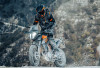
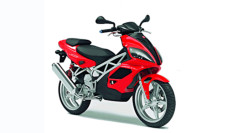
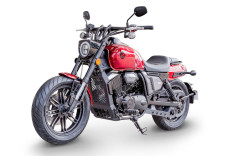
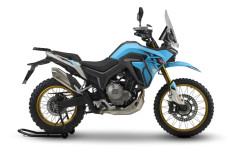
Kawasaki Ninja 400 SE vs KTM 390 Adventure SW 2023

Compare Specifications of Kawasaki Ninja 400 SE and KTM 390 Adventure SW 2023

Selected Bikes

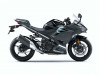
Kawasaki Ninja 400 SE

Brand:

Model:

KTM 390 Adventure SW 2023

Brand:

Model:

Brand:

Model:

Brand:

Model:

Technical Specifications
Fuel Petrol Petrol
Engine Displacement 399.00 cc 373.20 cc
Engine Liquid-cooled, 4-stroke, Parallel Twin,DOHC 8 valves 1-cylinder, 4-stroke engine
Engine Starting Electric Electric starter
Engine Lubrication -- Wet sump
Clutch -- PASC antihopping clutch, mechanically operated
Fuel System Fuel Injection 32 mm x 2 --
Ignition Digital Advance --
Cooling System Liquid-cooled Liquid cooled
Maximum Power 44.7 PS @ 10000 RPM 43.5 PS
Maximum Torque 38 NM @ 8000 RPM 37 Nm
Transmission 6-speed with Positive Neutral finder 6-speed
Gear Shift Pattern 1-N-2-3-4-5-6 --
Frame Light weight trellis Steel trellis frame, powder coated
Chain -- 520 X-Ring
Headlamp LED --
Taillamp LED --
Fuel Economy
Overall Mileage -- 29.6 kmpl
Tyres
Front 110/70R17 54H --
Rear 150/60R17 66H --
Wheel / RIM Alloy --
Brakes
Front Single semi-floating 310 mm petal disc, Single Balanced Actuation Dual Piston Caliper with ABS 320 mm disc, Four-piston radial fixed calliper
Rear Single 220 mm petal disc with twin piston caliper with ABS 230 mm disc, Single-piston floating calliper
ABS -- Bosch 9.1 MP (incl. Cornering-ABS and offroad mode, disengageable)
Suspension
Front 41 mm telescopic fork WP APEX 43, 170 mm suspension travel
Rear Bottom-Link Uni-Trak, gas-charged shock with adjustable preload WP APEX - Monoshock, 177 mm suspension travel
Colors Available
Colors Special Edition Metallic Spark Black with Ninja Graphic --


Physical Specs
Length 1990 mm --
Width 710 mm --
Height 1125 mm --
Weight -- 161 kg
Kerb Weight 168 --
Seat Height 785 855
Wheelbase 1370 mm --
Ground Clearance -- 200 mm
Fuel Tank Capacity 14 litres 14.5 litres
Overview
About -- The 2023 KTM 390 Adventure SW is a nimble and capable motorcycle built for those seeking versat Read More
Features - High Grade Cockpit
- Handy Under Storage
- Slipper Clutch
- Simplified exhaust system
--
Additional Details Service Intervals : 1,000 and 6,000 then every additional 6,000 kilometres major service every 12,000 kilometres CO2 EMISSIONS: 78 g/km
EMS: Bosch EMS with RBW
STEERING HEAD ANGLE: 63.5 °

Which one do you think is better? And why?
Name :

Comment :

7581