Learn this simple technique to dramatically increase your reaction time and road safety
Picture this: You’re out on the open road, the sun is shining, and your bike is purring. Everything feels perfect. But even on a perfect day, the road demands respect. As motorcyclists, we face unique challenges that car drivers don’t, especially when it comes to stopping quickly. Our margin for error is razor thin.

That’s where a simple, yet incredibly powerful, technique comes in: the 4-second rule. It’s not just an arbitrary number; it’s your key to creating a vital safety cushion around yourself. Mastering this rule can literally be the difference between a close call and a serious accident. Let’s dive in and see why this is the single most important habit you can develop for safer riding.
Let’s get right to the heart of the matter. A common question riders ask is, "whats is the 4 second rule on motorcycle?"
Simply put, the 4-second rule is a method for determining a safe following distance between your motorcycle and the vehicle directly in front of you.
In many driving courses, you’re taught the 2-second rule. While that’s generally adequate for a car in good conditions, a motorcyclist needs more. Why?
1. Motorcycle Braking: Even the best-skilled rider and most advanced braking system need more time and space than a four-wheeled vehicle to stop safely.
2. Vulnerability: We are more exposed. Any sudden stop or maneuver by the vehicle ahead poses a greater threat to a bike than to a car.
3. Visibility: Maintaining a longer distance gives you a wider field of vision around the vehicle in front, allowing you to see hazards further down the road, like brake lights two cars ahead or debris on the pavement.
In essence, the 4-second rule is your essential buffer zone. It’s the time you need to register a problem, decide on an action, and execute that action (like braking or swerving) without hitting the vehicle in front. It provides the necessary stopping distance for motorcycle riders.
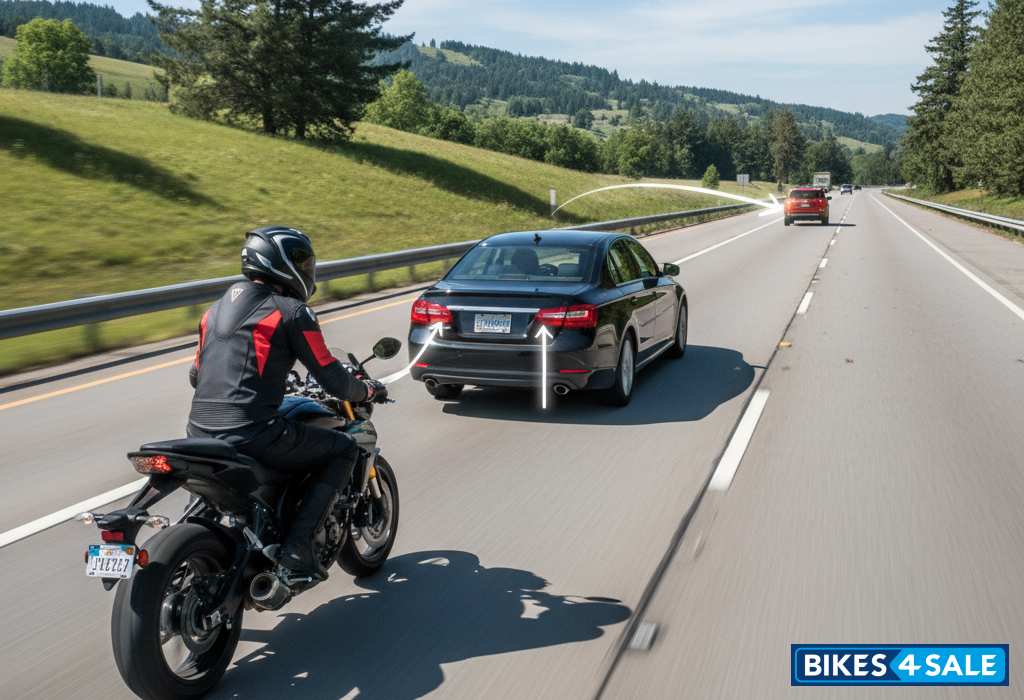
Next up, let’s explain the mechanics. "how does the 4 second rule work?" It’s a super easy technique to put into practice immediately. You don’t need a stopwatch or a fancy gauge. All you need is a fixed marker on the side of the road and a little mental counting.
Step by Step Application:
1. Identify a Marker: As the vehicle in front of you passes a fixed object—like a road sign, a shadow, a bridge abutment, or a painted line—start counting.
2. Start the Count: Begin counting: "one thousand one, one thousand two, one thousand three, one thousand four." (Saying "one thousand" helps approximate a full second).
3. Check Your Position: If you reach your chosen marker before you finish the count of "one thousand four," you are following too closely. You need to drop back and increase your safe distance.
4. The Goal: You should only reach the marker as you finish saying "one thousand four." This ensures you have four full seconds of reaction and stopping time.
Remember, that count covers both your perception time (the time it takes your brain to recognize the hazard) and your reaction time (the time it takes your hand and foot to apply the controls). Four seconds gives you a fighting chance to react to unexpected moves, sudden stops, or dropped items from the car ahead. This is a core component of defensive riding.
Implementing the 4-second rule brings immediate and significant benefits to your motorcycle safety strategy:
• Improved Vision: By riding further back, you gain a broader view of the road ahead, not just the back bumper of a car. You can spot traffic changes, road hazards, or upcoming lane closures much earlier. This is crucial for anticipating problems.
• Deceleration Time: If the car ahead slams on the brakes, you have four full seconds to execute an emergency stop. This is often the difference between a safe stop and a rear-end collision, which can be catastrophic on a motorcycle.
• Avoidance Maneuver Space: The extra distance provides the space you need to initiate a swerve or lane change if stopping isn’t possible or if you need to avoid debris.
• Reduced Stress and Fatigue: Constantly riding too close (tailgating) is stressful. Maintaining a healthy gap creates a more relaxed riding experience, reducing fatigue and keeping your attention sharp for longer.

The 4-second rule is your foundation, but you can build on it with these extra tips for advanced motorcycle safety:
• Lane Positioning: Within your lane, try to position yourself where you have the best view ahead, often slightly to the left or right tire track of the car in front. This also makes you more visible to others.
• Intersections and Stops: Be extra vigilant at intersections. As you approach a stop sign or red light, focus on the car behind you in your mirrors. Always be ready to move forward or to the side if the driver behind looks like they won’t stop in time. This is part of maintaining your total safety bubble.
• Group Riding: When riding in a group of motorcycles, ensure each rider maintains their own four-second distance from the bike ahead of them, maintaining a staggered formation where safe.
The freedom of motorcycling is intoxicating, but it comes with the responsibility of hyper-vigilance. The 4-second rule is not just a suggestion; it’s a non-negotiable safety minimum for every street rider. It’s the easiest and fastest way to exponentially increase your reaction time and reduce the risk of a crash.
Make it a habit. Every time you pull onto the road, use your counting method to check your following distance. It will quickly become second nature, giving you the gift of time—the most valuable commodity a rider can have. Ride smart, stay alert, and always give yourself the space you need to arrive safely.
That’s where a simple, yet incredibly powerful, technique comes in: the 4-second rule. It’s not just an arbitrary number; it’s your key to creating a vital safety cushion around yourself. Mastering this rule can literally be the difference between a close call and a serious accident. Let’s dive in and see why this is the single most important habit you can develop for safer riding.
What is the 4 Second Rule on Motorcycles?
Let’s get right to the heart of the matter. A common question riders ask is, "whats is the 4 second rule on motorcycle?"
Simply put, the 4-second rule is a method for determining a safe following distance between your motorcycle and the vehicle directly in front of you.
In many driving courses, you’re taught the 2-second rule. While that’s generally adequate for a car in good conditions, a motorcyclist needs more. Why?
1. Motorcycle Braking: Even the best-skilled rider and most advanced braking system need more time and space than a four-wheeled vehicle to stop safely.
2. Vulnerability: We are more exposed. Any sudden stop or maneuver by the vehicle ahead poses a greater threat to a bike than to a car.
3. Visibility: Maintaining a longer distance gives you a wider field of vision around the vehicle in front, allowing you to see hazards further down the road, like brake lights two cars ahead or debris on the pavement.
In essence, the 4-second rule is your essential buffer zone. It’s the time you need to register a problem, decide on an action, and execute that action (like braking or swerving) without hitting the vehicle in front. It provides the necessary stopping distance for motorcycle riders.
How Does the 4 Second Rule Work?
Next up, let’s explain the mechanics. "how does the 4 second rule work?" It’s a super easy technique to put into practice immediately. You don’t need a stopwatch or a fancy gauge. All you need is a fixed marker on the side of the road and a little mental counting.
Step by Step Application:
1. Identify a Marker: As the vehicle in front of you passes a fixed object—like a road sign, a shadow, a bridge abutment, or a painted line—start counting.
2. Start the Count: Begin counting: "one thousand one, one thousand two, one thousand three, one thousand four." (Saying "one thousand" helps approximate a full second).
3. Check Your Position: If you reach your chosen marker before you finish the count of "one thousand four," you are following too closely. You need to drop back and increase your safe distance.
4. The Goal: You should only reach the marker as you finish saying "one thousand four." This ensures you have four full seconds of reaction and stopping time.
| Condition | Recommended Following Distance (Seconds) |
| Ideal Conditions (Dry roads, good visibility, low traffic) | 4 seconds |
| Adverse Conditions (Rain, fog, slick roads, heavy traffic, night riding) | 5 to 6+ seconds |
Remember, that count covers both your perception time (the time it takes your brain to recognize the hazard) and your reaction time (the time it takes your hand and foot to apply the controls). Four seconds gives you a fighting chance to react to unexpected moves, sudden stops, or dropped items from the car ahead. This is a core component of defensive riding.
Safety Benefits and Practical Use
Implementing the 4-second rule brings immediate and significant benefits to your motorcycle safety strategy:
• Improved Vision: By riding further back, you gain a broader view of the road ahead, not just the back bumper of a car. You can spot traffic changes, road hazards, or upcoming lane closures much earlier. This is crucial for anticipating problems.
• Deceleration Time: If the car ahead slams on the brakes, you have four full seconds to execute an emergency stop. This is often the difference between a safe stop and a rear-end collision, which can be catastrophic on a motorcycle.
• Avoidance Maneuver Space: The extra distance provides the space you need to initiate a swerve or lane change if stopping isn’t possible or if you need to avoid debris.
• Reduced Stress and Fatigue: Constantly riding too close (tailgating) is stressful. Maintaining a healthy gap creates a more relaxed riding experience, reducing fatigue and keeping your attention sharp for longer.
Additional Motorcycle Safety Tips for Maximum Gap Management
The 4-second rule is your foundation, but you can build on it with these extra tips for advanced motorcycle safety:
• Lane Positioning: Within your lane, try to position yourself where you have the best view ahead, often slightly to the left or right tire track of the car in front. This also makes you more visible to others.
• Intersections and Stops: Be extra vigilant at intersections. As you approach a stop sign or red light, focus on the car behind you in your mirrors. Always be ready to move forward or to the side if the driver behind looks like they won’t stop in time. This is part of maintaining your total safety bubble.
• Group Riding: When riding in a group of motorcycles, ensure each rider maintains their own four-second distance from the bike ahead of them, maintaining a staggered formation where safe.
Conclusion
The freedom of motorcycling is intoxicating, but it comes with the responsibility of hyper-vigilance. The 4-second rule is not just a suggestion; it’s a non-negotiable safety minimum for every street rider. It’s the easiest and fastest way to exponentially increase your reaction time and reduce the risk of a crash.
Make it a habit. Every time you pull onto the road, use your counting method to check your following distance. It will quickly become second nature, giving you the gift of time—the most valuable commodity a rider can have. Ride smart, stay alert, and always give yourself the space you need to arrive safely.






















 The 10 Most Expensive Motorcycles Ever Made
 Top-Rated Gas Scooter Brands in the US (2026)
 10 Best Electric Commuter Motorcycles in the USA (2026)
 Top 10 Best 50cc Scooters in the USA (2026)
 Top 7 Women's Road Bikes for USA 2026 - Best Picks
 Top 5 125cc Motorcycles for USA 2026 - Best Beginner Bikes
 Best e-bikes for seniors with arthritis or joint pain (2026)
 10 Best E-Bikes for Seniors in Australia 2026