The simple guide to finding the best base bike and navigating the costs and laws of DIY electric conversion kits
The e-bike revolution is here, and it’s about more than just buying a new ride. For many cyclists, the appeal of adding electric power to a trusty old friend—the bicycle they already know and love—is simply too strong to ignore. The good news is, turning a standard bike into an e-bike is easier than ever.

But before you dive into the project, you need answers to a few key questions. We’re breaking down the three biggest queries people have about going DIY: which bike is best for conversion, how much money you can really save, and whether your new creation is actually legal to ride.
When you add a motor and battery, your bike takes on more stress, moves faster, and carries extra weight. So, the best bike for conversion is one that is strong, sturdy, and well-maintained.
Here’s what to look for in your perfect base bike:
Focus on the Foundation: Frame and Dropouts
The bike’s frame and its dropouts (the slots where the wheels attach) are the most important components.
• Steel vs. Aluminum: Steel frames are generally excellent for conversion. They are tough and naturally flex a little, which helps absorb stress. Aluminum frames are fine, but because they are stiffer, a powerful motor may require you to install an extra part, called a torque arm, to reinforce the dropouts and prevent damage.
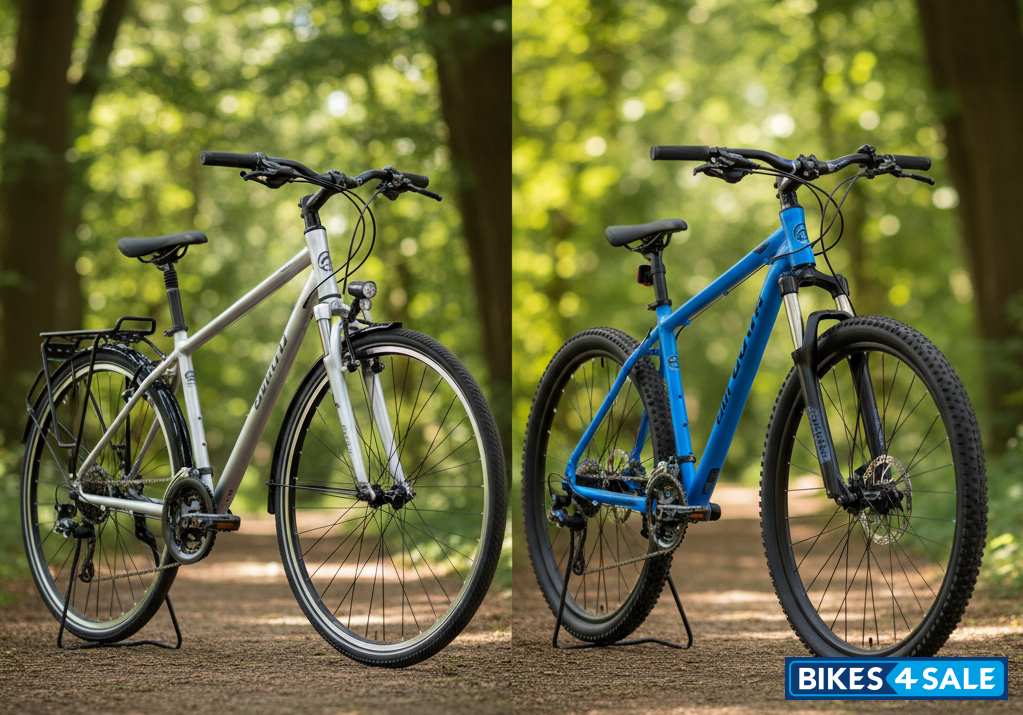
• The Type of Bike: Mountain bikes (MTBs) and hybrid bikes are often the top choices. They already have tough components, stable geometry, and beefier tires designed to handle a rougher ride, making them ideal for the extra speed and weight of a conversion kit.
• Wheel Strength: If you are a heavier rider or plan to carry cargo, look for wheels with 36 spokes (known as 36-hole rims). More spokes mean more strength to handle the motor’s torque and the bike's added weight.
Brakes Are Critical
An e-bike travels faster and weighs more, so you need reliable stopping power.
• Disc Brakes are Best: If your bike has mechanical or hydraulic disc brakes, that’s a big advantage. They provide consistent, powerful stopping force, even in wet conditions.
• Quality Rim Brakes Work: If your bike uses rim brakes, make sure they are high-quality and well-tuned. You'll need to keep the brake pads in top shape, as they will wear out faster than on a traditional pedal bike.
To get started on the actual conversion, you’ll need a solid motor and battery kit. For a deeper look at the parts you’ll be installing, check out our related guide on the best options available:
Also Read
For most people, the answer is a resounding yes.
This is the biggest reason DIY conversions have exploded in popularity. When you look at the price tags, the savings are clear:
By going the DIY route, you are essentially saving the cost of a brand-new bike frame and many components. You keep the bike you like and simply pay for the upgrade parts.
The Quality Caveat
While conversion is almost always cheaper than buying a comparable quality e-bike, there is a small catch when comparing a high-end DIY build to a low-end factory e-bike:
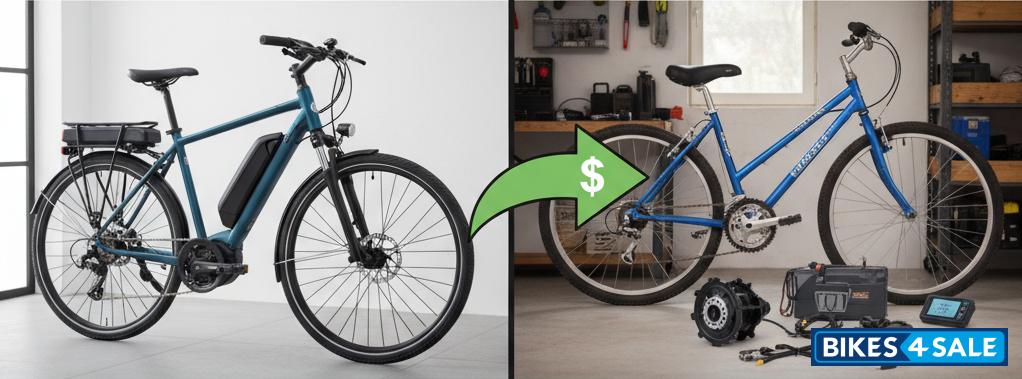
• Low-Cost New E-Bikes: You can find some basic, ready-made e-bikes for under $1,000. While they are cheap, they often use lower-quality components that can be difficult to repair or replace later.
• High-End DIY: If you start with a great used bike and install a premium conversion kit (like a high-torque mid-drive motor), your final cost might approach or even exceed the price of a cheaper new e-bike. However, the bike you've built will likely have superior performance, better components, and the ability to be easily serviced and upgraded down the road.
In short: Conversion is the most cost-effective way to get an e-bike with great components and the exact features you want.
This is the most critical question, and the answer is yes, but only if you follow the rules.
When you add a motor to your bicycle, it becomes an Electric Assisted Pedal Cycle (EAPC), or simply an e-bike, and it must comply with strict local laws to be ridden on public roads without needing a license, registration, or insurance.
Since e-bike laws are typically set at a national or regional level (e.g., in the US vs. the EU), you must check your local statutes. However, most laws share two non-negotiable restrictions:
For a commercially produced e-bike, the manufacturer is responsible for ensuring it meets safety and legal standards. When you build your own e-bike using a conversion kit, you become the manufacturer in the eyes of the law.
• The Throttle Rule: In many places (especially in the EU), the motor can only provide assistance while you are actively pedaling (Pedal Assist). Some conversion kits come with a throttle. In places like the UK and much of the EU, a throttle-equipped e-bike that can propel itself without pedaling may fall into a different legal category (like a moped), requiring registration and a license. In the US, throttles are generally permitted on Class 2 e-bikes up to 20 mph.
• Buy Compliant Kits: The simplest way to stay legal is to choose a kit that is already rated for your region's limit (e.g., a 250W/25 km/h kit for Europe or a 750W/20 mph kit for the US).
Always do a quick search for your state or country's specific e-bike laws before you purchase a conversion kit to ensure your new, powerful ride is legal on the streets.
Converting a standard bike to an e-bike is a rewarding project that offers the best of both worlds: the performance of a custom machine and the cost savings of a DIY project. By choosing a sturdy base bike (like a mountain or hybrid model), selecting a conversion kit that meets your region’s power and speed limits, and sticking to your budget, you can breathe new life into your old cycle and join the electric movement without breaking the bank. Happy building!
But before you dive into the project, you need answers to a few key questions. We’re breaking down the three biggest queries people have about going DIY: which bike is best for conversion, how much money you can really save, and whether your new creation is actually legal to ride.
1. What is the Best Bike to Convert to an eBike?
When you add a motor and battery, your bike takes on more stress, moves faster, and carries extra weight. So, the best bike for conversion is one that is strong, sturdy, and well-maintained.
Here’s what to look for in your perfect base bike:
Focus on the Foundation: Frame and Dropouts
The bike’s frame and its dropouts (the slots where the wheels attach) are the most important components.
• Steel vs. Aluminum: Steel frames are generally excellent for conversion. They are tough and naturally flex a little, which helps absorb stress. Aluminum frames are fine, but because they are stiffer, a powerful motor may require you to install an extra part, called a torque arm, to reinforce the dropouts and prevent damage.
• The Type of Bike: Mountain bikes (MTBs) and hybrid bikes are often the top choices. They already have tough components, stable geometry, and beefier tires designed to handle a rougher ride, making them ideal for the extra speed and weight of a conversion kit.
• Wheel Strength: If you are a heavier rider or plan to carry cargo, look for wheels with 36 spokes (known as 36-hole rims). More spokes mean more strength to handle the motor’s torque and the bike's added weight.
Brakes Are Critical
An e-bike travels faster and weighs more, so you need reliable stopping power.
• Disc Brakes are Best: If your bike has mechanical or hydraulic disc brakes, that’s a big advantage. They provide consistent, powerful stopping force, even in wet conditions.
• Quality Rim Brakes Work: If your bike uses rim brakes, make sure they are high-quality and well-tuned. You'll need to keep the brake pads in top shape, as they will wear out faster than on a traditional pedal bike.
To get started on the actual conversion, you’ll need a solid motor and battery kit. For a deeper look at the parts you’ll be installing, check out our related guide on the best options available:
Also Read
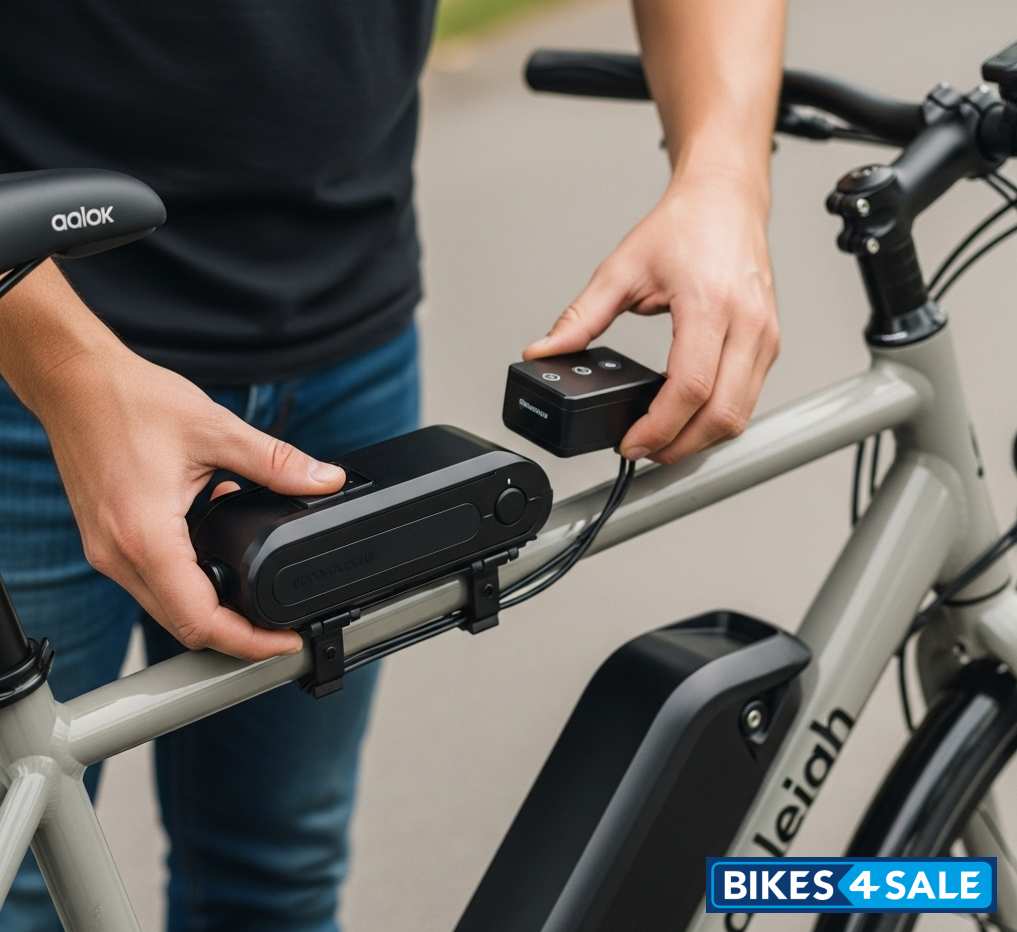 | Best Electric Bike Conversion Kits in the USTurn your regular bike electric without spending thousands — here are the kits worth your money. |
2. Is It Cheaper to Convert a Bike to an eBike?
For most people, the answer is a resounding yes.
This is the biggest reason DIY conversions have exploded in popularity. When you look at the price tags, the savings are clear:
| Option | Estimated Cost Range (USD) | What You Get |
| New, Pre-Built E-Bike | $1,200 to $3,500+ | A purpose-built machine with integrated electronics and a warranty. |
| Conversion Kit Only | $300 to $800 | A motor, battery, and controller (assuming you already own the bike). |
By going the DIY route, you are essentially saving the cost of a brand-new bike frame and many components. You keep the bike you like and simply pay for the upgrade parts.
The Quality Caveat
While conversion is almost always cheaper than buying a comparable quality e-bike, there is a small catch when comparing a high-end DIY build to a low-end factory e-bike:
• Low-Cost New E-Bikes: You can find some basic, ready-made e-bikes for under $1,000. While they are cheap, they often use lower-quality components that can be difficult to repair or replace later.
• High-End DIY: If you start with a great used bike and install a premium conversion kit (like a high-torque mid-drive motor), your final cost might approach or even exceed the price of a cheaper new e-bike. However, the bike you've built will likely have superior performance, better components, and the ability to be easily serviced and upgraded down the road.
In short: Conversion is the most cost-effective way to get an e-bike with great components and the exact features you want.
3. Are DIY eBikes Legal?
This is the most critical question, and the answer is yes, but only if you follow the rules.
When you add a motor to your bicycle, it becomes an Electric Assisted Pedal Cycle (EAPC), or simply an e-bike, and it must comply with strict local laws to be ridden on public roads without needing a license, registration, or insurance.
Since e-bike laws are typically set at a national or regional level (e.g., in the US vs. the EU), you must check your local statutes. However, most laws share two non-negotiable restrictions:
| Restriction | US (Federal/State – 3-Class System) | EU (Pedelec Standard) |
| Maximum Motor Power | Typically limited to 750 Watts (W). | Must be limited to 250 Watts (W). |
| Maximum Assisted Speed | Class 1 & 2: 20 mph; Class 3: 28 mph (pedal assist only). | Motor assistance must cut off at 25 km/h (≈15.5 mph). |
Your Role as the Builder
For a commercially produced e-bike, the manufacturer is responsible for ensuring it meets safety and legal standards. When you build your own e-bike using a conversion kit, you become the manufacturer in the eyes of the law.
• The Throttle Rule: In many places (especially in the EU), the motor can only provide assistance while you are actively pedaling (Pedal Assist). Some conversion kits come with a throttle. In places like the UK and much of the EU, a throttle-equipped e-bike that can propel itself without pedaling may fall into a different legal category (like a moped), requiring registration and a license. In the US, throttles are generally permitted on Class 2 e-bikes up to 20 mph.
• Buy Compliant Kits: The simplest way to stay legal is to choose a kit that is already rated for your region's limit (e.g., a 250W/25 km/h kit for Europe or a 750W/20 mph kit for the US).
Always do a quick search for your state or country's specific e-bike laws before you purchase a conversion kit to ensure your new, powerful ride is legal on the streets.
The Smart Way to Go Electric
Converting a standard bike to an e-bike is a rewarding project that offers the best of both worlds: the performance of a custom machine and the cost savings of a DIY project. By choosing a sturdy base bike (like a mountain or hybrid model), selecting a conversion kit that meets your region’s power and speed limits, and sticking to your budget, you can breathe new life into your old cycle and join the electric movement without breaking the bank. Happy building!


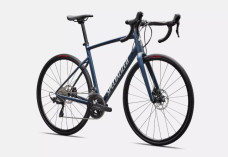
 The 10 Most Expensive Motorcycles Ever Made
 Top-Rated Gas Scooter Brands in the US (2026)
 10 Best Electric Commuter Motorcycles in the USA (2026)
 Top 10 Best 50cc Scooters in the USA (2026)
 Top 7 Women's Road Bikes for USA 2026 - Best Picks
 Top 5 125cc Motorcycles for USA 2026 - Best Beginner Bikes
 Best e-bikes for seniors with arthritis or joint pain (2026)
 10 Best E-Bikes for Seniors in Australia 2026