Fitness, mental health, and lifestyle changes driving more women toward cycling
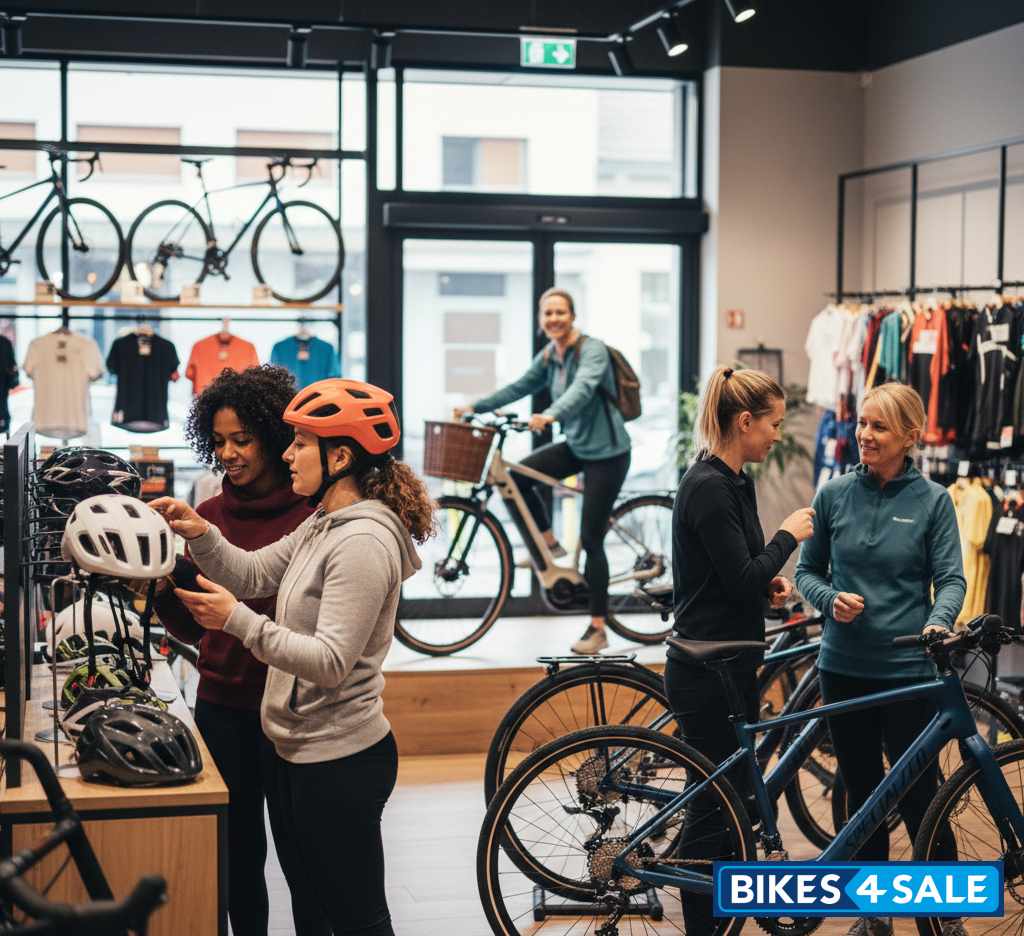
Walk into a bike shop today and take a slow look around. Chances are, you’ll see more women in their 30s and 40s browsing helmets, checking out endurance road bikes, or asking about e-bikes. Scroll through photos from local group rides or charity events and you’ll notice the same thing. This isn’t a subtle shift. It’s a visible, measurable change in who is showing up and staying in cycling.
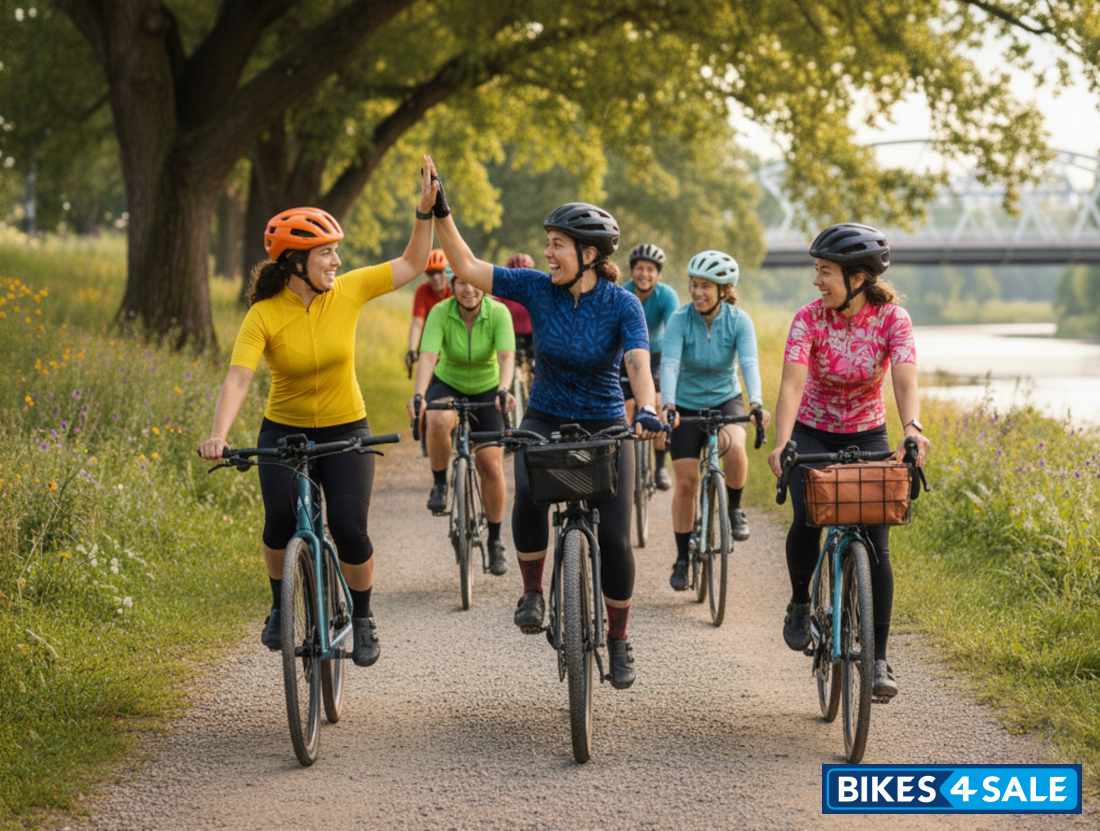
So what’s really happening here? Why this age group? And why now?
The answer isn’t just about fitness. It’s about life stage, mindset, community, and control.
In their 20s, many women approach fitness through the lens of appearance. By their 30s and 40s, the focus tends to evolve. Health becomes less about how the body looks and more about how it functions. Cardiovascular strength, endurance, and long-term well-being start to matter more than chasing a number on a scale.
Cycling fits perfectly into this stage of life. It’s low-impact, which protects joints. It builds heart health and muscular endurance. It scales easily from beginner-friendly rides to serious long-distance challenges. Most importantly, progress is measurable. You can see improvement in pace, distance, and stamina without punishing your body.
For many women, that shift from shrinking the body to strengthening it is liberating. Cycling becomes less about restriction and more about capability.
The 30s and 40s are often packed with responsibility. Careers grow more demanding. Parenting requires constant energy. Aging parents may need support. Digital notifications never stop. The mental load is heavy.
Cycling offers something rare: uninterrupted forward motion and mental quiet. Being outdoors, focusing on cadence and breathing, and watching the road unfold ahead creates a reset that gym workouts rarely provide. Many women describe their rides as therapy on two wheels. It’s structured enough to feel productive but freeing enough to feel restorative.
Unlike high-intensity classes that feel like another obligation, cycling can be solitary or social depending on what the rider needs that day. That flexibility makes it sustainable.
There was a time when cycling culture felt intimidating, especially for newcomers. Group rides could be competitive and male-dominated. Gear conversations often leaned technical and exclusive.
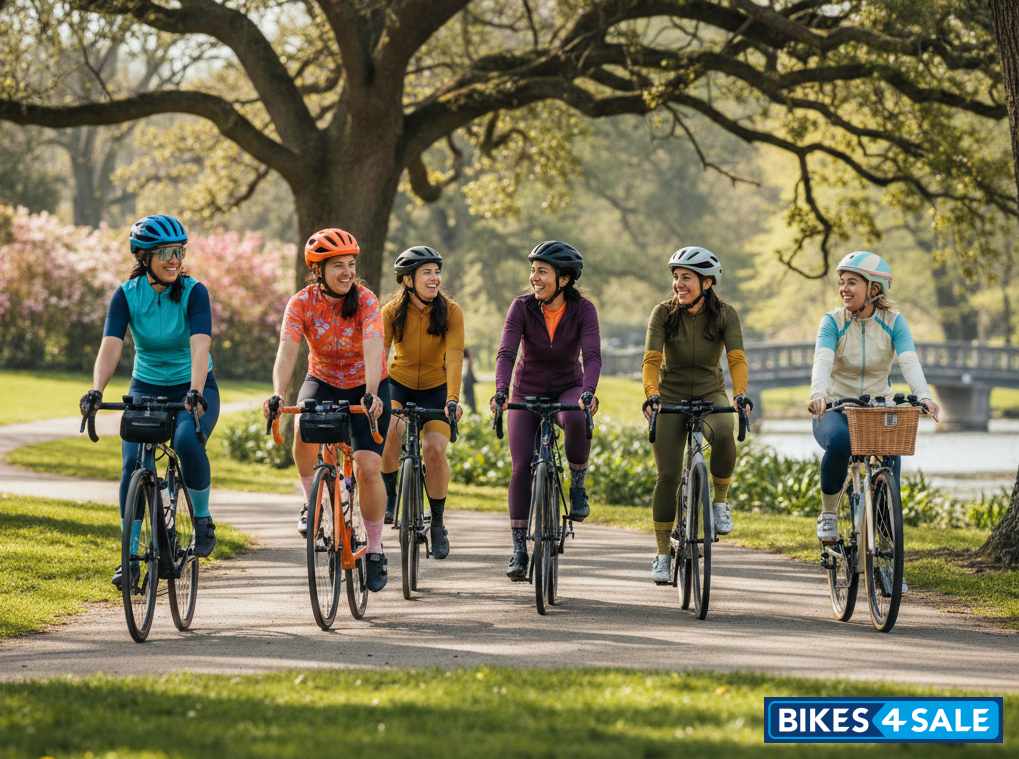
That atmosphere has shifted. Across the United States, women-led cycling clubs are growing rapidly. Many are built around inclusivity rather than speed. Pace-friendly rides, no-drop policies, and beginner welcome sessions are becoming the norm rather than the exception.
Brands have also responded. Bike manufacturers are paying more attention to fit, saddle design, and geometry tailored to women’s bodies. Apparel companies are improving comfort and functionality. This isn’t just cosmetic marketing. Better fit means better ride experience, and better experience leads to consistency.
When women feel seen and supported in a sport, participation grows naturally.
It would be impossible to talk about this trend without mentioning electric bikes. E-bikes have dramatically lowered the entry barrier to cycling, especially for women returning to fitness after years away from structured exercise.
Hills feel manageable. Longer distances feel possible. Commutes that once seemed exhausting now feel realistic. For many women juggling busy schedules, the ability to ride without arriving drenched in sweat makes cycling practical for daily life.
E-bikes are not replacing traditional cycling; they are expanding the gateway into it. Once confidence builds, many riders explore other styles of bikes as well. The important part is that they start.
By their 30s and 40s, many women are in a stronger financial position than they were a decade earlier. That stability allows for thoughtful investment in quality equipment. Buying a well-fitted bike, reliable helmet, and proper accessories signals commitment. It turns cycling into a serious lifestyle choice rather than a passing experiment.
When someone invests in a high-quality bike, they are more likely to ride consistently. Consistency builds skill. Skill builds confidence. Confidence builds identity.
Cycling stops being “something I try occasionally” and becomes “something I do.”
There is also a growing awareness around preventative health. Conversations around heart disease, bone density, stress regulation, and hormonal health are more open and informed than they were years ago. Moderate, consistent cardio is widely recommended for long-term wellness, and cycling delivers it without the repetitive impact stress of running.
For women navigating hormonal shifts in their late 30s and 40s, cycling provides structured activity without overtaxing recovery systems. It supports metabolic health while remaining adaptable to fluctuating energy levels.
That balance matters.
Perhaps the most powerful reason behind this surge is less physical and more emotional. Women in this age group often spend years prioritizing others. Cycling becomes a reclaiming of personal time. An early morning ride before the house wakes up. A weekend group ride that feels like adult connection. A solo evening spin that marks the end of a long workday.
It is time that belongs to them, not their employer, not their family, not their phone.
And once that ritual becomes part of weekly life, it becomes difficult to give up.
Social media has also played a subtle but meaningful role. Cycling content is no longer dominated solely by elite racers. Everyday riders share realistic rides, beginner milestones, and relatable struggles. That visibility normalizes participation.
Seeing women in their 30s and 40s enjoying cycling without competing at a professional level sends a clear message: you don’t need to be extreme to belong here.
Representation reduces hesitation.
All signs suggest this movement has staying power. Event participation data shows rising female registration in recreational rides. Bike shops report increased demand for women-specific fittings and endurance models. Community rides are expanding capacity rather than shrinking.
This is not a sudden spike. It reflects deeper cultural changes around wellness, autonomy, and lifestyle design.
If you’re observing this shift and wondering whether it applies to you, consider this: cycling doesn’t require you to be fearless, competitive, or ultra-fit. It asks only that you begin.
Women in their 30s and 40s are not entering cycling to prove something. They are entering because it fits their lives. It strengthens their bodies. It clears their minds. It connects them with others. It gives them space. That combination is powerful.
And that’s why the cycling world isn’t just growing right now. It’s being reshaped — one ride at a time.
So what’s really happening here? Why this age group? And why now?
The answer isn’t just about fitness. It’s about life stage, mindset, community, and control.
A Shift From Appearance to Strength and Longevity
In their 20s, many women approach fitness through the lens of appearance. By their 30s and 40s, the focus tends to evolve. Health becomes less about how the body looks and more about how it functions. Cardiovascular strength, endurance, and long-term well-being start to matter more than chasing a number on a scale.
Cycling fits perfectly into this stage of life. It’s low-impact, which protects joints. It builds heart health and muscular endurance. It scales easily from beginner-friendly rides to serious long-distance challenges. Most importantly, progress is measurable. You can see improvement in pace, distance, and stamina without punishing your body.
For many women, that shift from shrinking the body to strengthening it is liberating. Cycling becomes less about restriction and more about capability.
Mental Clarity in a High-Pressure Life Stage
The 30s and 40s are often packed with responsibility. Careers grow more demanding. Parenting requires constant energy. Aging parents may need support. Digital notifications never stop. The mental load is heavy.
Cycling offers something rare: uninterrupted forward motion and mental quiet. Being outdoors, focusing on cadence and breathing, and watching the road unfold ahead creates a reset that gym workouts rarely provide. Many women describe their rides as therapy on two wheels. It’s structured enough to feel productive but freeing enough to feel restorative.
Unlike high-intensity classes that feel like another obligation, cycling can be solitary or social depending on what the rider needs that day. That flexibility makes it sustainable.
Community Culture Has Evolved
There was a time when cycling culture felt intimidating, especially for newcomers. Group rides could be competitive and male-dominated. Gear conversations often leaned technical and exclusive.
That atmosphere has shifted. Across the United States, women-led cycling clubs are growing rapidly. Many are built around inclusivity rather than speed. Pace-friendly rides, no-drop policies, and beginner welcome sessions are becoming the norm rather than the exception.
Brands have also responded. Bike manufacturers are paying more attention to fit, saddle design, and geometry tailored to women’s bodies. Apparel companies are improving comfort and functionality. This isn’t just cosmetic marketing. Better fit means better ride experience, and better experience leads to consistency.
When women feel seen and supported in a sport, participation grows naturally.
The E-Bike Factor
It would be impossible to talk about this trend without mentioning electric bikes. E-bikes have dramatically lowered the entry barrier to cycling, especially for women returning to fitness after years away from structured exercise.
Hills feel manageable. Longer distances feel possible. Commutes that once seemed exhausting now feel realistic. For many women juggling busy schedules, the ability to ride without arriving drenched in sweat makes cycling practical for daily life.
E-bikes are not replacing traditional cycling; they are expanding the gateway into it. Once confidence builds, many riders explore other styles of bikes as well. The important part is that they start.
Financial Stability and Intentional Investment
By their 30s and 40s, many women are in a stronger financial position than they were a decade earlier. That stability allows for thoughtful investment in quality equipment. Buying a well-fitted bike, reliable helmet, and proper accessories signals commitment. It turns cycling into a serious lifestyle choice rather than a passing experiment.
When someone invests in a high-quality bike, they are more likely to ride consistently. Consistency builds skill. Skill builds confidence. Confidence builds identity.
Cycling stops being “something I try occasionally” and becomes “something I do.”
Health Awareness Is Sharper Than Ever
There is also a growing awareness around preventative health. Conversations around heart disease, bone density, stress regulation, and hormonal health are more open and informed than they were years ago. Moderate, consistent cardio is widely recommended for long-term wellness, and cycling delivers it without the repetitive impact stress of running.
For women navigating hormonal shifts in their late 30s and 40s, cycling provides structured activity without overtaxing recovery systems. It supports metabolic health while remaining adaptable to fluctuating energy levels.
That balance matters.
Reclaiming Personal Time
Perhaps the most powerful reason behind this surge is less physical and more emotional. Women in this age group often spend years prioritizing others. Cycling becomes a reclaiming of personal time. An early morning ride before the house wakes up. A weekend group ride that feels like adult connection. A solo evening spin that marks the end of a long workday.
It is time that belongs to them, not their employer, not their family, not their phone.
And once that ritual becomes part of weekly life, it becomes difficult to give up.
Social Visibility Without Pressure
Social media has also played a subtle but meaningful role. Cycling content is no longer dominated solely by elite racers. Everyday riders share realistic rides, beginner milestones, and relatable struggles. That visibility normalizes participation.
Seeing women in their 30s and 40s enjoying cycling without competing at a professional level sends a clear message: you don’t need to be extreme to belong here.
Representation reduces hesitation.
Is This a Temporary Trend?
All signs suggest this movement has staying power. Event participation data shows rising female registration in recreational rides. Bike shops report increased demand for women-specific fittings and endurance models. Community rides are expanding capacity rather than shrinking.
This is not a sudden spike. It reflects deeper cultural changes around wellness, autonomy, and lifestyle design.
If you’re observing this shift and wondering whether it applies to you, consider this: cycling doesn’t require you to be fearless, competitive, or ultra-fit. It asks only that you begin.
Women in their 30s and 40s are not entering cycling to prove something. They are entering because it fits their lives. It strengthens their bodies. It clears their minds. It connects them with others. It gives them space. That combination is powerful.
And that’s why the cycling world isn’t just growing right now. It’s being reshaped — one ride at a time.

 10 Must-Have Motorcycle Accessories for Long-Distance Touring
 Top 10 Electric Motor Scooters USA 2026 | Best Picks
 Best Electric Road Bikes USA 2026 | Top 10 Models
 Top 10 Cafe Racer Motorcycles in USA (2026 List)
 How to Choose the Right Motorcycle Helmet (2026 Guide)
 Best Beginner Gravel Bikes for New Riders
 Do I Need a Professional Bike Fit? Benefits Explained
 What Brand of Motorcycle Is the Most Reliable? Top Brands Compared