Which manufacturers actually back up their scooters with reliability, parts support, and resale value
Picking a gas scooter usually starts with a model — a specific 50cc commuter or a 150cc highway cruiser. But the brand behind it matters just as much as the spec sheet. It decides how easy your scooter is to service five years from now, whether parts are sitting on a shelf or backordered from overseas, and how much it's worth when you go to sell it.
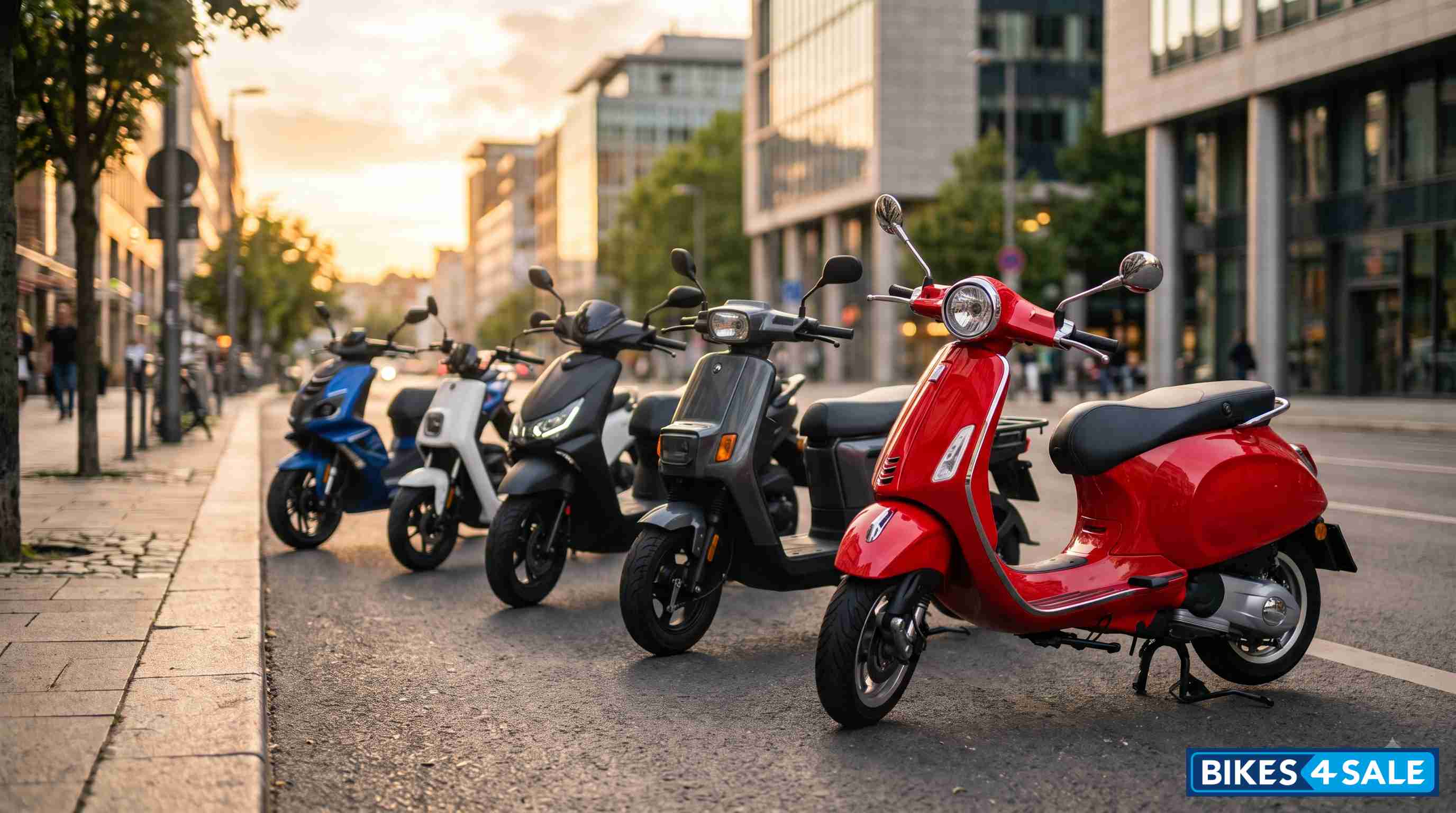
The US gas scooter market splits into two real tiers: established manufacturers with decades of engineering behind them, and budget import brands that make scooters accessible to a much wider range of buyers. Neither tier is "better" outright — they solve different problems. Here's how the brands actually worth knowing stack up.
Honda is the name most riders default to, and for good reason. Its scooters — the PCX line in particular — are known for engines that keep running well past 10,000 miles with basic maintenance, a nationwide dealer network for parts and service, and resale value that holds up better than almost anything else in the category. You'll pay more upfront than with an import brand, but you're paying for a support network that exists in nearly every US city.
Best for: Riders who want the lowest long-term hassle and don't mind a higher purchase price.
Yamaha sits right alongside Honda in terms of reputation, with a scooter lineup that leans slightly sportier in tuning. Models like the Zuma and the NMAX are known for smooth CVT transmissions and dependable cold starts, which matters more than people expect in northern climates. Yamaha's dealer network isn't quite as dense as Honda's, but it's still strong enough that parts and service rarely become an issue.
Best for: Riders who want Honda-level reliability with a bit more riding character.
Vespa occupies its own lane. The Italian steel-body construction, retro styling, and brand heritage give it a resale value and cultural cachet no competitor really matches — a used Vespa GTS often holds its price better than scooters that cost far less to begin with. It's not the budget pick in any sense, but for riders who want their scooter to double as a style statement, nothing else really competes.
Best for: Riders prioritizing design, heritage, and resale value over raw practicality.
Kymco is a Taiwanese manufacturer that's built a strong reputation in the US as the value-focused alternative to Honda and Yamaha — solid engineering, competitive pricing, and a decent (if smaller) dealer footprint. Its scooters, like the Like 150i, tend to undercut Japanese competitors by a meaningful margin while still using conventional dealer networks for service, rather than relying on direct-to-consumer shipping.
Best for: Riders who want dealer-backed reliability without paying Honda or Yamaha prices.
SYM is another Taiwanese brand that's quietly built a loyal following in the US, particularly for maxi scooters and larger-displacement models. It doesn't have the brand recognition of Honda or Vespa, but among riders who've owned one, it's consistently rated for solid build quality and a genuinely competitive price-to-feature ratio.
Best for: Riders who've done their research and want more scooter for the money without going the budget-import route.
Genuine Scooter Co. is a US-based company that designs and imports scooters (like the Buddy line) manufactured in partnership with established Asian factories, giving it a distinct identity from both the Japanese majors and the budget import brands. It's carved out a strong niche for riders who want retro styling similar to a Vespa, but at a noticeably lower price point, backed by a dedicated US-based dealer and parts network.
Best for: Riders who want Vespa-adjacent styling without the Vespa price tag.
TaoTao is the most recognizable name in the budget import segment, selling everything from 50cc mopeds to 150cc scooters, largely direct-to-consumer online. The trade-off for the low price is variable build quality between models and no traditional dealer network — service and parts typically come from whoever sold you the scooter, not a nationwide chain. For buyers who mainly want cheap, functional transportation and are comfortable doing their own basic maintenance, it remains one of the most accessible entry points into scooter ownership.
Best for: Budget-first buyers who want the lowest possible entry price and don't need dealer support.
Ice Bear competes directly with TaoTao in the budget segment, with a similar model range and a similar direct-to-consumer sales approach through regional powersports retailers. Riders generally report a similar ownership experience to TaoTao — functional, inexpensive, and best suited to buyers who've budgeted for their own maintenance rather than relying on dealer service.
Best for: Buyers comparison-shopping the budget tier who want a second option alongside TaoTao.
- Want the least long-term hassle? Honda or Yamaha, even at a higher price.
- Want your scooter to hold its value and turn heads? Vespa.
- Want dealer-backed reliability at a lower price? Kymco or SYM.
- Want Vespa styling without Vespa pricing? Genuine Scooters.
- Want the lowest possible entry cost and can handle basic maintenance yourself? TaoTao or Ice Bear.
None of these are wrong answers — they're just built for different priorities. The mistake is buying a budget import expecting Honda-level dealer support, or paying Honda prices for a feature set you could get from Kymco. Match the brand to what actually matters for your riding situation, and the model choice gets a lot easier.
Once you've picked a brand tier, our Top 10 Best 50cc Scooters and Top 10 Gas Scooters for Adults guides break down specific models across these brands to help you narrow it down further.
The US gas scooter market splits into two real tiers: established manufacturers with decades of engineering behind them, and budget import brands that make scooters accessible to a much wider range of buyers. Neither tier is "better" outright — they solve different problems. Here's how the brands actually worth knowing stack up.
1. Honda
Honda is the name most riders default to, and for good reason. Its scooters — the PCX line in particular — are known for engines that keep running well past 10,000 miles with basic maintenance, a nationwide dealer network for parts and service, and resale value that holds up better than almost anything else in the category. You'll pay more upfront than with an import brand, but you're paying for a support network that exists in nearly every US city.
Best for: Riders who want the lowest long-term hassle and don't mind a higher purchase price.
2. Yamaha
Yamaha sits right alongside Honda in terms of reputation, with a scooter lineup that leans slightly sportier in tuning. Models like the Zuma and the NMAX are known for smooth CVT transmissions and dependable cold starts, which matters more than people expect in northern climates. Yamaha's dealer network isn't quite as dense as Honda's, but it's still strong enough that parts and service rarely become an issue.
Best for: Riders who want Honda-level reliability with a bit more riding character.
3. Vespa (Piaggio)
Vespa occupies its own lane. The Italian steel-body construction, retro styling, and brand heritage give it a resale value and cultural cachet no competitor really matches — a used Vespa GTS often holds its price better than scooters that cost far less to begin with. It's not the budget pick in any sense, but for riders who want their scooter to double as a style statement, nothing else really competes.
Best for: Riders prioritizing design, heritage, and resale value over raw practicality.
4. Kymco
Kymco is a Taiwanese manufacturer that's built a strong reputation in the US as the value-focused alternative to Honda and Yamaha — solid engineering, competitive pricing, and a decent (if smaller) dealer footprint. Its scooters, like the Like 150i, tend to undercut Japanese competitors by a meaningful margin while still using conventional dealer networks for service, rather than relying on direct-to-consumer shipping.
Best for: Riders who want dealer-backed reliability without paying Honda or Yamaha prices.
SYM
SYM is another Taiwanese brand that's quietly built a loyal following in the US, particularly for maxi scooters and larger-displacement models. It doesn't have the brand recognition of Honda or Vespa, but among riders who've owned one, it's consistently rated for solid build quality and a genuinely competitive price-to-feature ratio.
Best for: Riders who've done their research and want more scooter for the money without going the budget-import route.
Genuine Scooters
Genuine Scooter Co. is a US-based company that designs and imports scooters (like the Buddy line) manufactured in partnership with established Asian factories, giving it a distinct identity from both the Japanese majors and the budget import brands. It's carved out a strong niche for riders who want retro styling similar to a Vespa, but at a noticeably lower price point, backed by a dedicated US-based dealer and parts network.
Best for: Riders who want Vespa-adjacent styling without the Vespa price tag.
TaoTao
TaoTao is the most recognizable name in the budget import segment, selling everything from 50cc mopeds to 150cc scooters, largely direct-to-consumer online. The trade-off for the low price is variable build quality between models and no traditional dealer network — service and parts typically come from whoever sold you the scooter, not a nationwide chain. For buyers who mainly want cheap, functional transportation and are comfortable doing their own basic maintenance, it remains one of the most accessible entry points into scooter ownership.
Best for: Budget-first buyers who want the lowest possible entry price and don't need dealer support.
Ice Bear
Ice Bear competes directly with TaoTao in the budget segment, with a similar model range and a similar direct-to-consumer sales approach through regional powersports retailers. Riders generally report a similar ownership experience to TaoTao — functional, inexpensive, and best suited to buyers who've budgeted for their own maintenance rather than relying on dealer service.
Best for: Buyers comparison-shopping the budget tier who want a second option alongside TaoTao.
How to actually choose between them
- Want the least long-term hassle? Honda or Yamaha, even at a higher price.
- Want your scooter to hold its value and turn heads? Vespa.
- Want dealer-backed reliability at a lower price? Kymco or SYM.
- Want Vespa styling without Vespa pricing? Genuine Scooters.
- Want the lowest possible entry cost and can handle basic maintenance yourself? TaoTao or Ice Bear.
None of these are wrong answers — they're just built for different priorities. The mistake is buying a budget import expecting Honda-level dealer support, or paying Honda prices for a feature set you could get from Kymco. Match the brand to what actually matters for your riding situation, and the model choice gets a lot easier.
Once you've picked a brand tier, our Top 10 Best 50cc Scooters and Top 10 Gas Scooters for Adults guides break down specific models across these brands to help you narrow it down further.
Frequently Asked Questions
| 1. What is the most reliable gas scooter brand in the US? |
| Honda is generally considered the most reliable, with engines known to exceed 10,000 miles with routine maintenance and the largest dealer and parts network in the country. Yamaha is a close second, offering comparable reliability with a slightly sportier riding character. |
| 2. Are budget scooter brands like TaoTao worth buying? |
| They can be, depending on your priorities. TaoTao and Ice Bear offer some of the lowest entry prices in the category, making them practical for budget-focused buyers. The trade-off is inconsistent build quality between units and the lack of a traditional dealer network for service or parts. |
| 3. Is Vespa worth the higher price compared to other brands? |
| For riders who value styling, brand heritage, and resale value, yes. Vespa's steel-body construction and distinctive design tend to hold value better than most competitors. For riders focused purely on practicality and low ownership costs, other brands offer better value. |
| 4. What's the difference between Kymco, SYM, and Japanese brands like Honda? |
| Kymco and SYM are Taiwanese manufacturers offering dealer-backed reliability at lower prices than Honda or Yamaha. They don't match the brand recognition or dealer density of the Japanese majors, but they are widely considered a strong middle ground between budget imports and premium brands. |
| 5. Do budget import scooter brands have good resale value? |
| Generally, no. Budget brands like TaoTao and Ice Bear depreciate faster and hold less resale value than established brands such as Honda, Yamaha, or Vespa. This is largely due to inconsistent build quality and the absence of a dealer network that supports used-vehicle inspections and trade-ins. |


 The 10 Most Expensive Motorcycles Ever Made
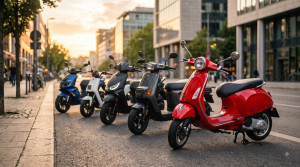 Top-Rated Gas Scooter Brands in the US (2026)
 10 Best Electric Commuter Motorcycles in the USA (2026)
 Top 10 Best 50cc Scooters in the USA (2026)
 Top 7 Women's Road Bikes for USA 2026 - Best Picks
 Top 5 125cc Motorcycles for USA 2026 - Best Beginner Bikes
 Best e-bikes for seniors with arthritis or joint pain (2026)
 10 Best E-Bikes for Seniors in Australia 2026