How to Choose the Right Commuter Bike for Your Distance, Terrain, and Budget
Choosing the right bike for commuting sounds simple, but once you start looking, the options can feel overwhelming. Road bikes, hybrid bikes, electric bikes, mountain bikes — they all promise something different.
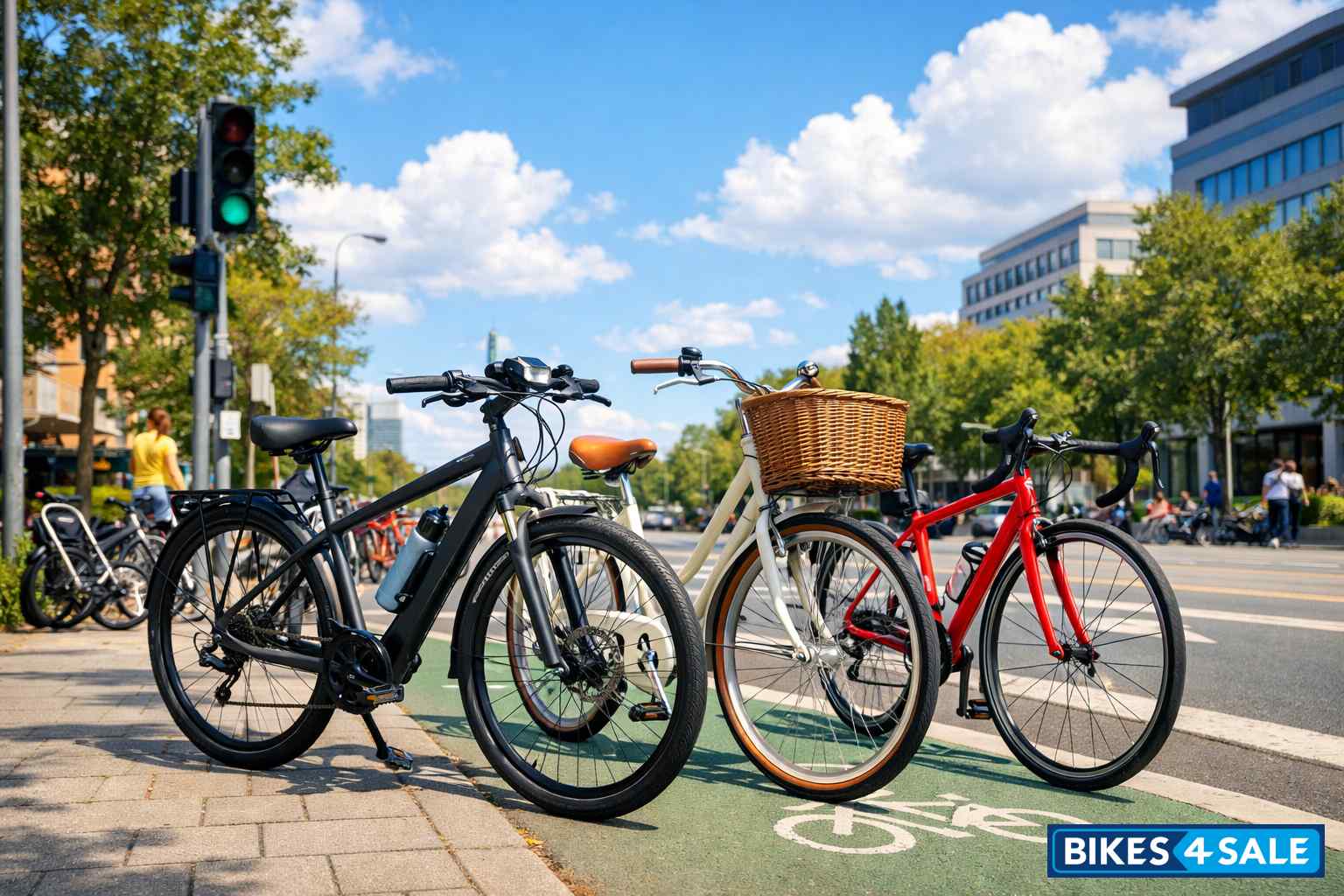
The truth is, the best commuter bike depends on where you ride, how far you travel, your budget, and how comfortable you want to be. This guide breaks it down clearly so you can make the right choice without overthinking it.
A commuting bike needs to handle daily reality. That means traffic lights, uneven pavement, occasional bad weather, and carrying work essentials.
The right bike makes your ride smooth and sustainable. It reduces fatigue, keeps you comfortable in traffic, and makes it easier to stay consistent. Over time, that consistency is what turns commuting into a habit. The wrong bike can make even a short ride feel exhausting.
Not all bikes are built with daily commuting in mind. Some prioritize speed, others comfort, and some focus on portability. Before diving into the details, here’s a quick side-by-side comparison to help you see which option fits your commute best.
For most commuters, a hybrid bike hits the sweet spot. It’s comfortable enough for daily riding, stable in traffic, and efficient on paved roads. The upright position makes it easier to stay aware of cars and pedestrians, which is important in busy city environments.
If your commute falls between three and fifteen miles and stays mostly on pavement, a hybrid bike will likely feel balanced and easy to live with. It’s often the safest recommendation for first-time commuters.
If you’re riding longer distances and want to minimize travel time, a road bike becomes attractive. Its lightweight frame and narrow tires make it efficient over smooth asphalt, especially if your route includes long straight stretches.
However, the forward-leaning riding position can feel aggressive in heavy traffic or on rough roads. Road bikes are ideal for performance-focused commuters, but comfort should always be considered.
Electric bikes have changed commuting completely. With pedal assist, you still ride normally, but hills and long distances feel far less demanding. This makes them especially practical for riders covering more than ten miles daily or dealing with elevation changes.
If you’re considering city-friendly designs that are easy to mount and comfortable in traffic, you can check out our guide on urban step-through models designed specifically for commuters.
And if budget is a major factor, we’ve also covered affordable commuter e-bikes that offer strong value for everyday riding.
Although the upfront cost is higher, electric bikes often replace short car trips and make daily commuting far more sustainable long term.
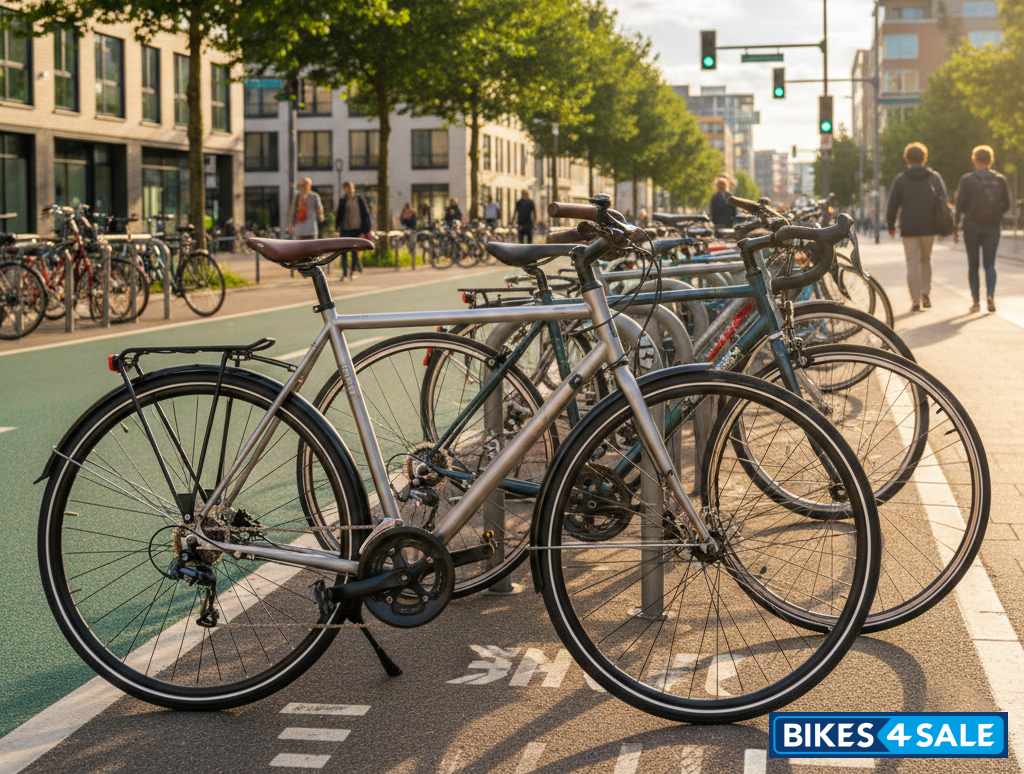
Mountain bikes are built for durability. If your commute includes broken pavement, gravel paths, or poorly maintained roads, their wide tires and strong frames can be helpful.
That said, they’re heavier and less efficient on smooth city streets. Unless your route truly demands off-road capability, other bike types will feel faster and easier for everyday commuting.
Folding bikes shine in tight urban environments. If you combine cycling with buses or trains, or live in a small apartment, portability becomes a major advantage.
They aren’t built for high speeds or long distances, but for short city commutes where storage is limited, they can be extremely practical.
Distance plays a major role in choosing the right bike.
If your commute is under five miles, comfort and simplicity matter most. A hybrid or city bike will handle this distance easily without requiring a performance-focused setup.
Between five and ten miles, efficiency starts to matter more. A hybrid still works well, but a road bike can reduce effort if the roads are smooth.
For commutes between 10 and 20 miles, a lightweight road bike becomes attractive for speed. However, if hills are involved or you want to reduce fatigue, an electric bike makes the ride far more sustainable.
Anything beyond 20 miles per day often favors an electric bike. At that range, pedal assistance helps you stay consistent and avoid burnout.
Always be realistic about your energy levels. A slightly slower but more comfortable bike is better than a fast bike you dread riding.
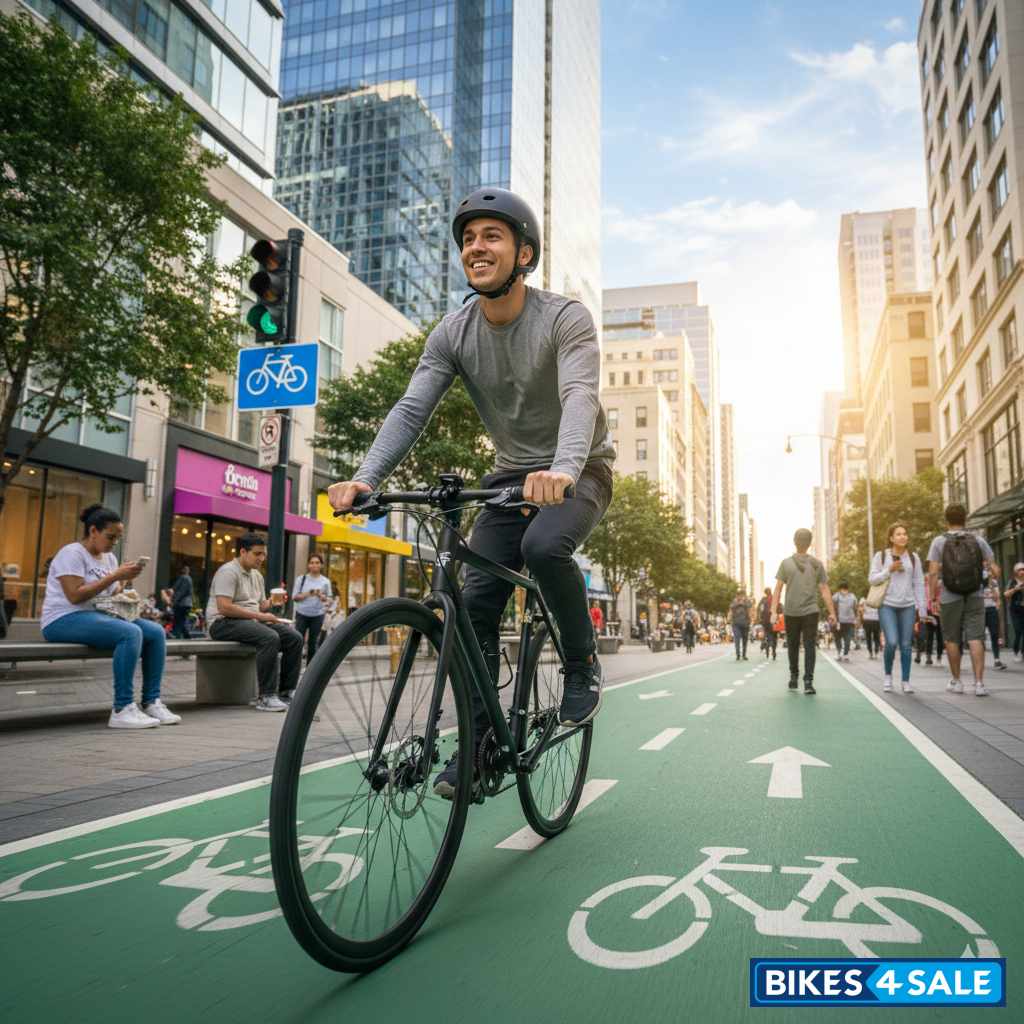
No matter the type, look for:
• Comfortable saddle
• Upright or semi-upright geometry
• Rack mounts
• Fender compatibility
• Reliable braking system
• Puncture-resistant tires
Small practical features make a huge difference over time.
The choice between single-speed and geared bikes often depends on your terrain. If you live in a flat city with minimal elevation changes, a single-speed bike can be a simple and low-maintenance option. Fewer moving parts mean fewer adjustments and repairs.
However, if your route includes hills, bridges, or changing terrain, gears quickly become valuable. They allow you to adjust effort based on conditions, making climbs easier and reducing strain on your knees. For most commuters, especially those riding more than a few miles, having multiple gears offers better flexibility and long-term comfort.
Many riders focus only on price and ignore comfort. Others choose aggressive racing bikes because they look fast, only to realize they’re uncomfortable for daily traffic riding.
Another common mistake is overlooking practical features like rack mounts or fenders. These small details become important once you start commuting regularly.
The goal isn’t to buy the most impressive bike. It’s to buy the one that fits your route and routine.
If you want a simple recommendation, most commuters will be happiest with a hybrid bike. It offers the best balance of comfort, practicality, and efficiency.
If your commute is long and smooth, a road bike can save time and keep your ride efficient. If you want assistance on hills, less physical strain, or a realistic alternative to driving, an electric bike is often the smartest long-term investment.
At the end of the day, the best commuter bike is the one you’ll ride consistently. Focus on your distance, terrain, and comfort rather than trends. A bike that fits your daily routine will always be the right choice.
The truth is, the best commuter bike depends on where you ride, how far you travel, your budget, and how comfortable you want to be. This guide breaks it down clearly so you can make the right choice without overthinking it.
Why Choosing the Right Commuter Bike Matters
A commuting bike needs to handle daily reality. That means traffic lights, uneven pavement, occasional bad weather, and carrying work essentials.
The right bike makes your ride smooth and sustainable. It reduces fatigue, keeps you comfortable in traffic, and makes it easier to stay consistent. Over time, that consistency is what turns commuting into a habit. The wrong bike can make even a short ride feel exhausting.
Best Types of Bikes for Commuting
Not all bikes are built with daily commuting in mind. Some prioritize speed, others comfort, and some focus on portability. Before diving into the details, here’s a quick side-by-side comparison to help you see which option fits your commute best.
| Bike Type | Best For | Strengths | Things to Consider |
|---|---|---|---|
| Hybrid Bike | City streets Bike lanes Moderate distances (3–15 miles) New riders | Comfortable upright riding position Balanced speed and stability Easy control in traffic Supports racks and fenders | Not as fast as a road bike Not designed for serious off-road riding |
| Road Bike | 10+ mile commutes Smooth asphalt roads Riders who want speed | Lightweight and efficient Faster over long distances Excellent on paved routes | Less comfortable on rough roads Lean-forward riding position Limited cargo options |
| Electric Bike | Long-distance commuting Hilly routes Replacing short car trips | Pedal assist reduces effort Makes hills easier Helps you arrive without sweating Great car alternative for daily travel | Higher upfront cost Heavier than traditional bikes Requires battery charging |
| Mountain Bike | Broken roads Gravel or mixed terrain Pothole-heavy routes | Durable frame Wide tires for stability Good shock absorption | Slower on pavement Heavier build Less efficient for city riding |
| Folding Bike | Small apartments Bus or train commuters Limited storage space | Compact and portable Easy indoor storage Convenient for urban travel | Smaller wheels reduce stability Not ideal for high speeds Less comfortable on long rides |
Hybrid Bike – The Safe All-Rounder
For most commuters, a hybrid bike hits the sweet spot. It’s comfortable enough for daily riding, stable in traffic, and efficient on paved roads. The upright position makes it easier to stay aware of cars and pedestrians, which is important in busy city environments.
If your commute falls between three and fifteen miles and stays mostly on pavement, a hybrid bike will likely feel balanced and easy to live with. It’s often the safest recommendation for first-time commuters.
Road Bike – For Longer and Faster Commutes
If you’re riding longer distances and want to minimize travel time, a road bike becomes attractive. Its lightweight frame and narrow tires make it efficient over smooth asphalt, especially if your route includes long straight stretches.
However, the forward-leaning riding position can feel aggressive in heavy traffic or on rough roads. Road bikes are ideal for performance-focused commuters, but comfort should always be considered.
Electric Bike – For Effortless Daily Riding
Electric bikes have changed commuting completely. With pedal assist, you still ride normally, but hills and long distances feel far less demanding. This makes them especially practical for riders covering more than ten miles daily or dealing with elevation changes.
If you’re considering city-friendly designs that are easy to mount and comfortable in traffic, you can check out our guide on urban step-through models designed specifically for commuters.
And if budget is a major factor, we’ve also covered affordable commuter e-bikes that offer strong value for everyday riding.
Although the upfront cost is higher, electric bikes often replace short car trips and make daily commuting far more sustainable long term.
Mountain Bike – Only If Your Roads Are Rough
Mountain bikes are built for durability. If your commute includes broken pavement, gravel paths, or poorly maintained roads, their wide tires and strong frames can be helpful.
That said, they’re heavier and less efficient on smooth city streets. Unless your route truly demands off-road capability, other bike types will feel faster and easier for everyday commuting.
Folding Bike – For Small Spaces and Mixed Transport
Folding bikes shine in tight urban environments. If you combine cycling with buses or trains, or live in a small apartment, portability becomes a major advantage.
They aren’t built for high speeds or long distances, but for short city commutes where storage is limited, they can be extremely practical.
How Far Is Your Commute?
Distance plays a major role in choosing the right bike.
If your commute is under five miles, comfort and simplicity matter most. A hybrid or city bike will handle this distance easily without requiring a performance-focused setup.
Between five and ten miles, efficiency starts to matter more. A hybrid still works well, but a road bike can reduce effort if the roads are smooth.
For commutes between 10 and 20 miles, a lightweight road bike becomes attractive for speed. However, if hills are involved or you want to reduce fatigue, an electric bike makes the ride far more sustainable.
Anything beyond 20 miles per day often favors an electric bike. At that range, pedal assistance helps you stay consistent and avoid burnout.
Always be realistic about your energy levels. A slightly slower but more comfortable bike is better than a fast bike you dread riding.
Features That Matter in a Commuter Bike
No matter the type, look for:
• Comfortable saddle
• Upright or semi-upright geometry
• Rack mounts
• Fender compatibility
• Reliable braking system
• Puncture-resistant tires
Small practical features make a huge difference over time.
Single-Speed vs Geared Bike
The choice between single-speed and geared bikes often depends on your terrain. If you live in a flat city with minimal elevation changes, a single-speed bike can be a simple and low-maintenance option. Fewer moving parts mean fewer adjustments and repairs.
However, if your route includes hills, bridges, or changing terrain, gears quickly become valuable. They allow you to adjust effort based on conditions, making climbs easier and reducing strain on your knees. For most commuters, especially those riding more than a few miles, having multiple gears offers better flexibility and long-term comfort.
Common Mistakes When Choosing a Commuter Bike
Many riders focus only on price and ignore comfort. Others choose aggressive racing bikes because they look fast, only to realize they’re uncomfortable for daily traffic riding.
Another common mistake is overlooking practical features like rack mounts or fenders. These small details become important once you start commuting regularly.
The goal isn’t to buy the most impressive bike. It’s to buy the one that fits your route and routine.
What Type of Bike Should You Get?
If you want a simple recommendation, most commuters will be happiest with a hybrid bike. It offers the best balance of comfort, practicality, and efficiency.
If your commute is long and smooth, a road bike can save time and keep your ride efficient. If you want assistance on hills, less physical strain, or a realistic alternative to driving, an electric bike is often the smartest long-term investment.
At the end of the day, the best commuter bike is the one you’ll ride consistently. Focus on your distance, terrain, and comfort rather than trends. A bike that fits your daily routine will always be the right choice.
 7 Best Fuel-Efficient Motorcycles for Commuting 2026
 10 Must-Have Motorcycle Accessories for Long-Distance Touring
 Top 10 Electric Motor Scooters USA 2026 | Best Picks
 Best Electric Road Bikes USA 2026 | Top 10 Models
 Top 10 Cafe Racer Motorcycles in USA (2026 List)
 How to Choose the Right Motorcycle Helmet (2026 Guide)
 Best Beginner Gravel Bikes for New Riders
 Do I Need a Professional Bike Fit? Benefits Explained